


DIABETIC FOOT
Diagnosis, prevention and care
People with diabetes are at a higher risk of developing foot problems due to the changes the condition can cause in sensation, circulation and wound healing.
Most complications can be prevented if they are detected early. That’s why regular foot examinations are an essential part of diabetic foot care.
What is diabetic foot?
Diabetic foot is not a separate disease, but a group of conditions that can develop as a result of diabetes.
Over time, high blood glucose levels can affect the nerves and blood circulation. As a result, some people lose sensation in their feet, experience slower wound healing, and have a higher risk of developing wounds or infections.
Many of these problems begin as small cuts, blisters or calluses that go unnoticed and can worsen if they are not detected early.
What problems can develop?
Who should have regular foot check-ups?
Everyone with diabetes can benefit from a podiatry assessment, although regular check-ups are especially important for people at a higher risk of developing complications.
They are particularly recommended for people with:
What signs may indicate a problem?
One of the characteristics of diabetic foot is that many injuries do not cause pain. For this reason, it is important to check your feet regularly and seek professional advice if you notice any changes.
Loss of sensation
Difficulty feeling heat, cold, or small injuries.
Wounds that do not heal
Any wound that takes several days to improve should be assessed by a healthcare professional.
Calluses
They can increase pressure on certain areas of the foot and raise the risk of developing ulcers.
Changes in temperature
A foot that feels colder or warmer than the other may indicate changes that require professional assessment.
Changes in the skin
Dry skin, cracks, changes in colour, or hardened areas.
Changes in the nails
Thickened, deformed, or fungal nails can increase the risk of injury and make proper foot care more difficult.
What does the assessment involve?
The aim of the assessment is not only to treat existing problems but also to detect changes before they develop into more serious complications.
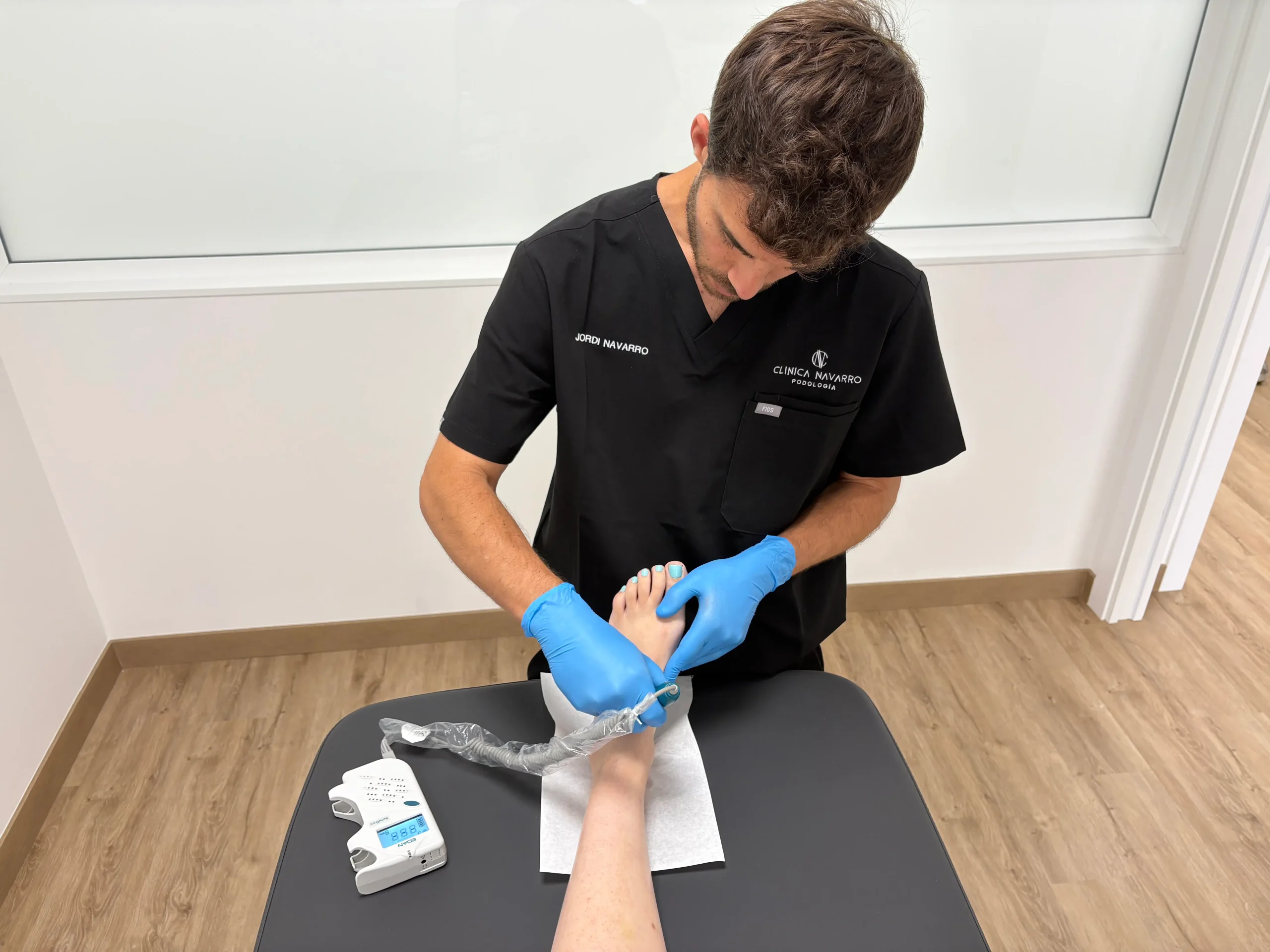
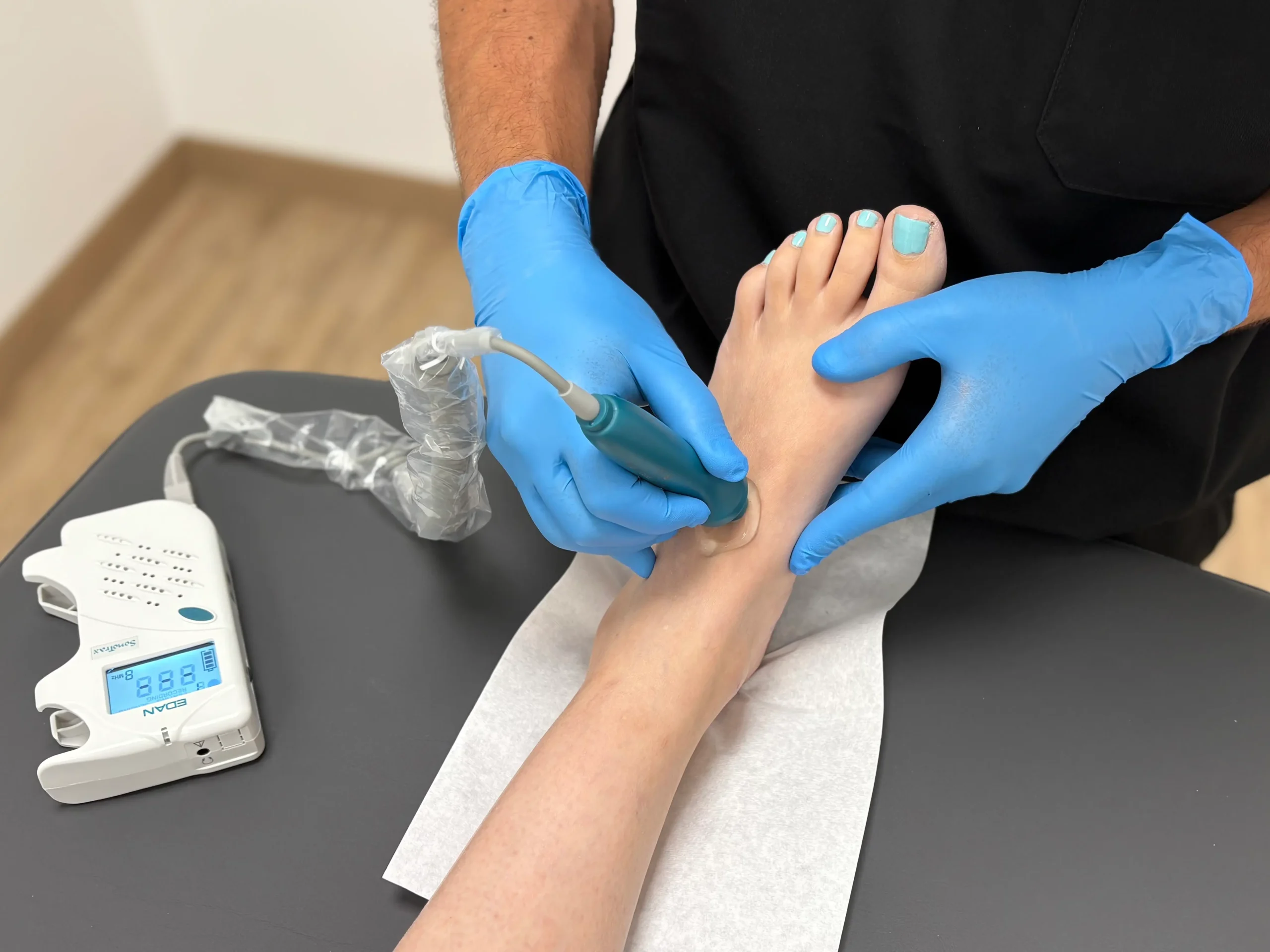
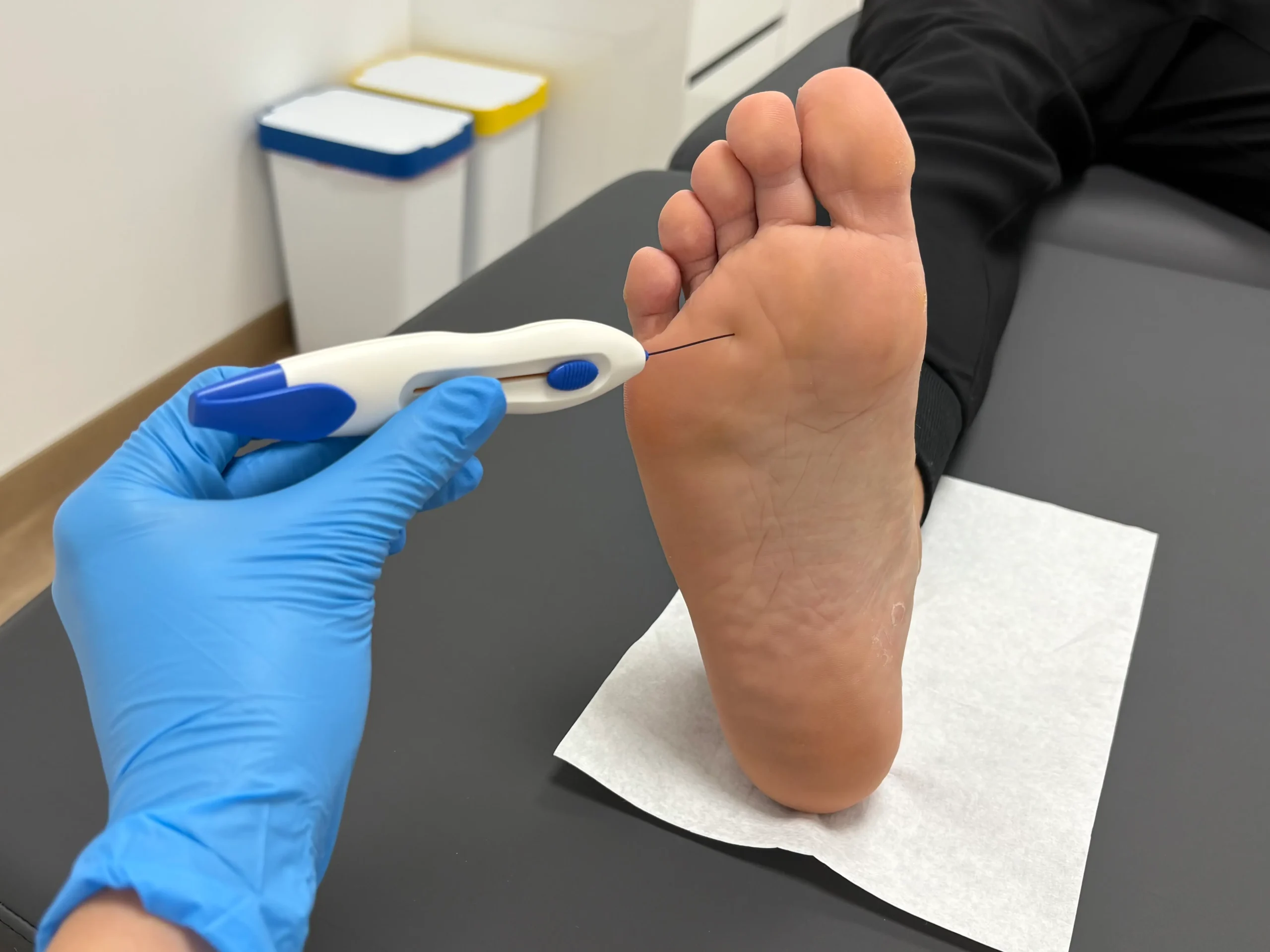
During the examination, we assess different aspects to evaluate the condition of your feet and determine your individual level of risk.
The assessment may include:
Why are regular check-ups so important?
Most serious diabetic foot complications do not develop overnight.
Detecting small changes before they progress makes it possible to intervene early and reduce the risk of wounds, infections, or ulcers.
En molts casos, una revisió periòdica és la mesura més eficaç per prevenir complicacions i mantenir la salut del peu a llarg termini.
Basic diabetic foot care
Simple daily habits can help prevent injuries and reduce the risk of complications in people with diabetes.
Check your feet every day
Dry your feet thoroughly, especially between the toes
Moisturise the skin, avoiding cream between the toes
Do not walk barefoot
Seek professional advice if you notice any wound, blister or change in skin colour, even if it does not hurt
Wear comfortable footwear and check the inside before putting it on
FREQUENTLY ASKED QUESTIONS
It depends on each person’s level of risk. Some people only need an annual check-up, while others require more frequent assessments based on their health status and medical history.
Yes. Loss of sensation is one of the most common complications of diabetes, so many foot problems can develop without causing pain.
No. Many people never develop significant complications, especially if they maintain good diabetes control and attend regular foot examinations.
It is recommended to inspect your skin, toenails, and the spaces between your toes every day to look for wounds, blisters, cracks, changes in skin colour, or any other abnormality.
In many cases, yes, provided you do not have vision problems, loss of sensation, or difficulty reaching your feet. If you are unsure, it is best to have them trimmed by a healthcare professional.
Yes. Dry skin is common in people with diabetes. Regular moisturising helps protect the skin and reduces the risk of cracks.
Choose shoes that are comfortable, have enough room around the toes, and do not create pressure points. Before putting them on, always check that there are no objects inside.
Yes, provided it is carried out under appropriate hygiene conditions and avoids procedures that could cause injuries. If you have reduced sensation, circulation problems or a history of foot ulcers, it is advisable for a podiatrist to take care of your nails and calluses.
Over time, diabetes can affect the nerves in the feet (diabetic neuropathy). This may reduce your ability to feel pain, heat, cold or minor injuries, increasing the risk that small problems go unnoticed.
You should see a podiatrist if you notice a wound, blister, red area, ingrown toenail, painful callus, or any change that does not improve within a few days.
Do you have diabetes and want to check the health of your feet?
Regular foot assessments help detect problems early, prevent complications, and maintain healthy feet in the long term.