


Foot & Gait Biomechanical Assessment
We assess the way you walk, run and move to identify the source of your pain and provide the treatment best suited to your needs.
What is a Biomechanical Assessment?
A biomechanical assessment allows us to analyse how your feet and body function when you walk or run. Many problems do not originate solely in the feet, but in the way we load, distribute pressure or compensate for certain movements.
Through clinical examination and gait analysis, we can identify biomechanical factors that may be associated with the development of discomfort or injuries.
Full Assessment
We evaluate your gait, movement and posture.
Accurate Diagnosis
Clear findings to determine the most appropriate treatment.

Personalised Treatment
Every patient receives a plan tailored to their individual needs.

Follow-up
We monitor progress and adapt treatment whenever necessary.

Prevention and performance
Particularly relevant for active individuals and athletes.
Problems We Can Help You Solve
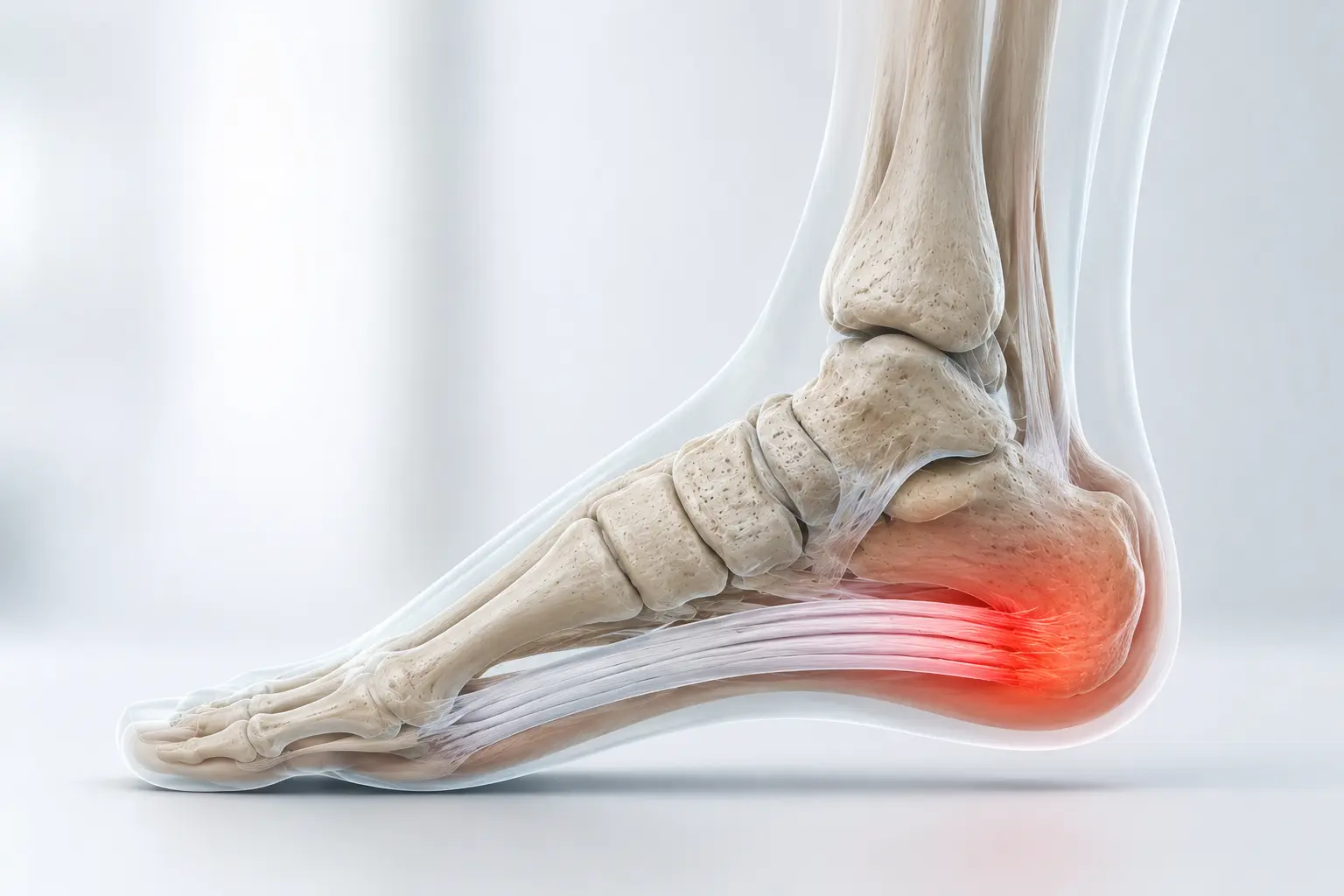
PLANTAR FASCIITIS
Heel pain and overload of the plantar fascia.
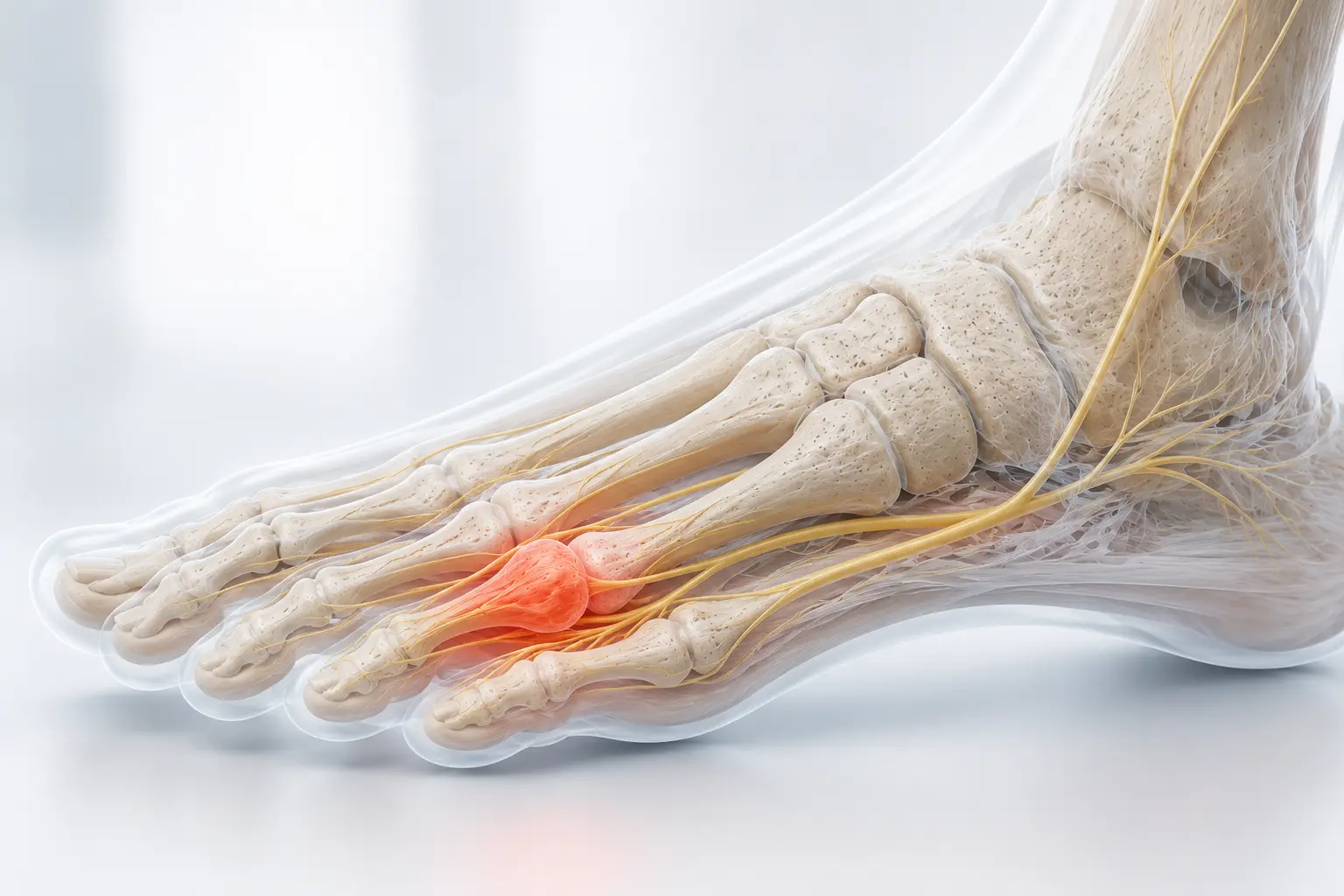
MORTON’S NEUROMA
Pain and tingling between the toes.
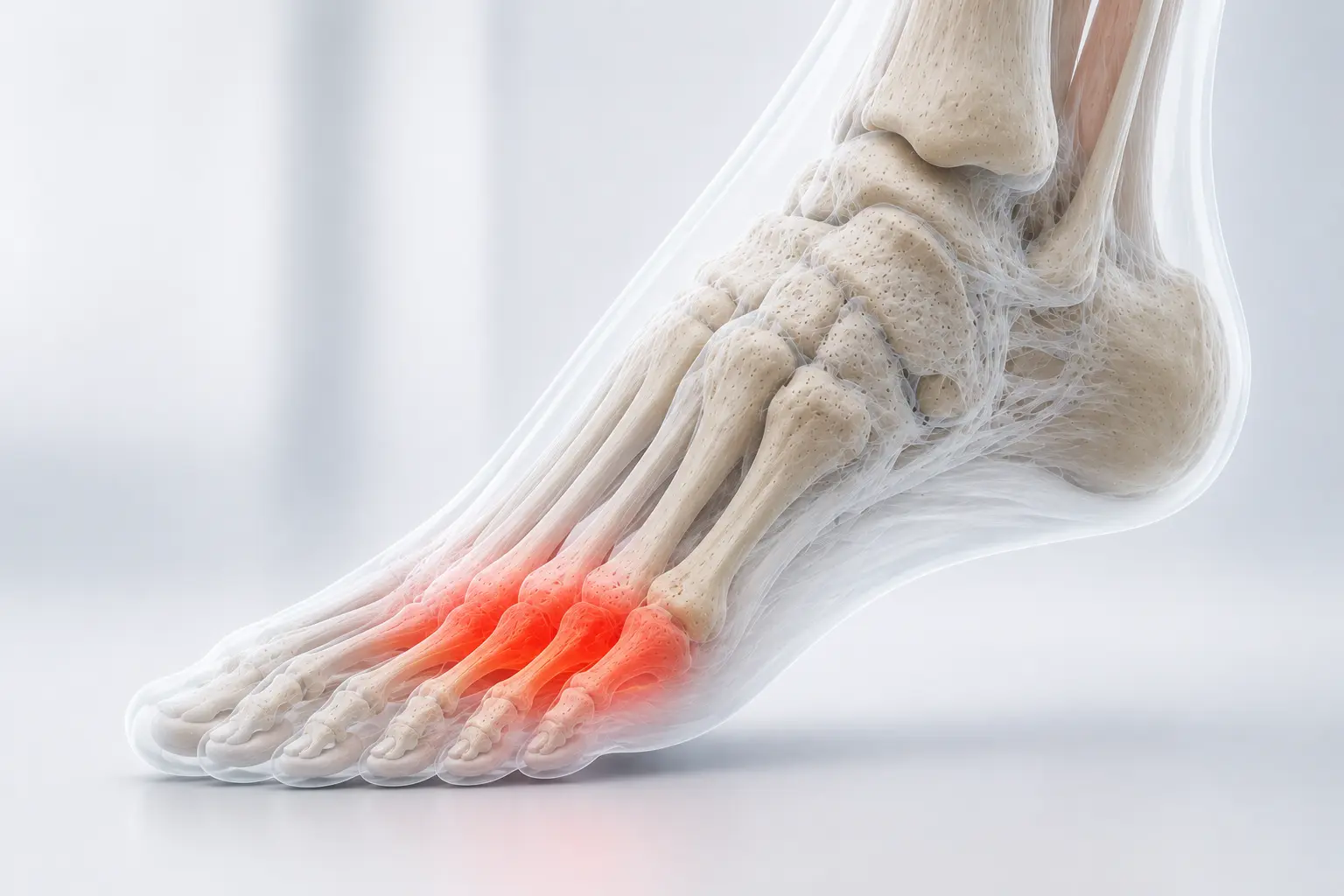
METATARSALGIA
Overload and pain in the ball of the foot.
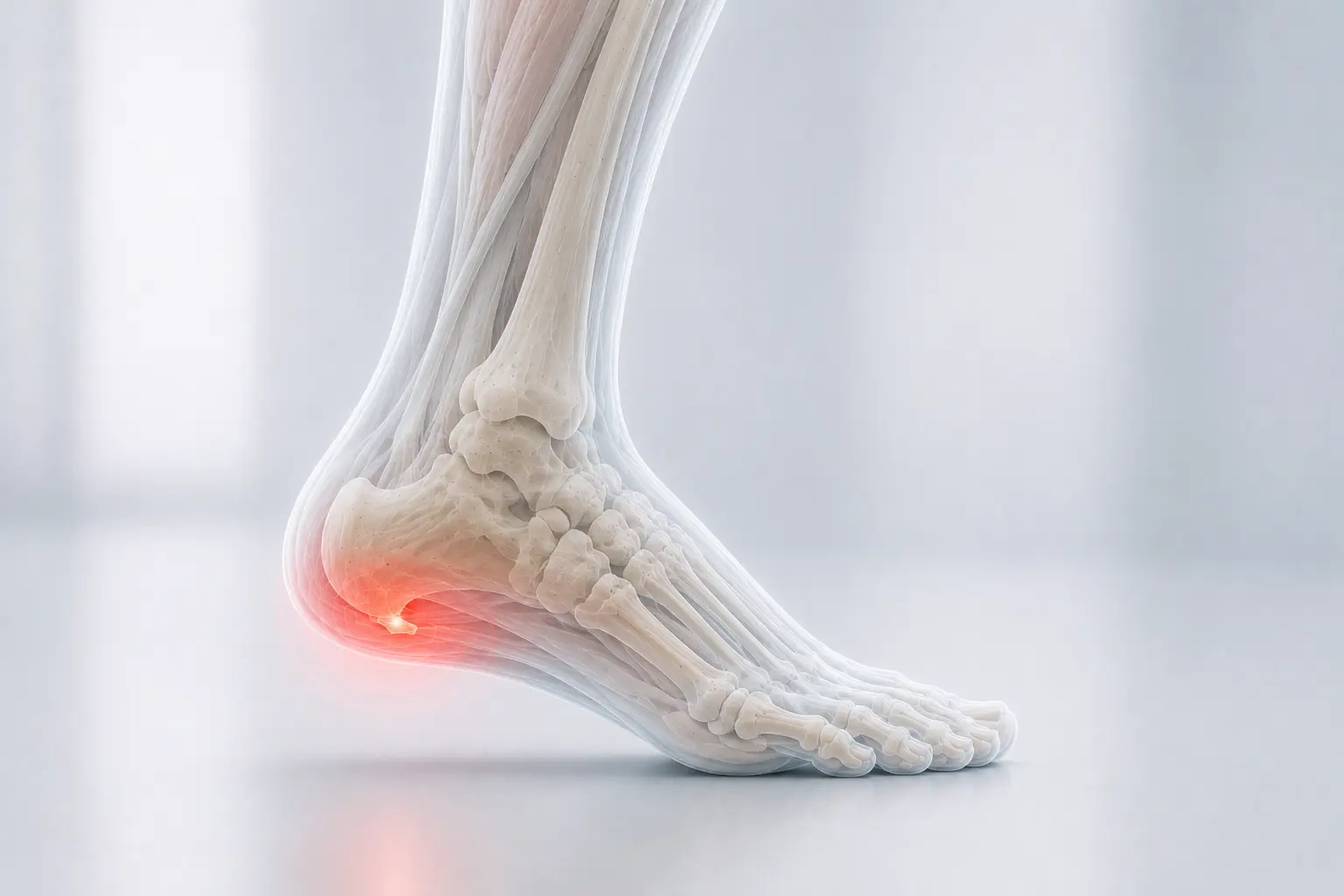
HEEL PAIN
Discomfort related to the way forces and pressure are distributed through the foot.
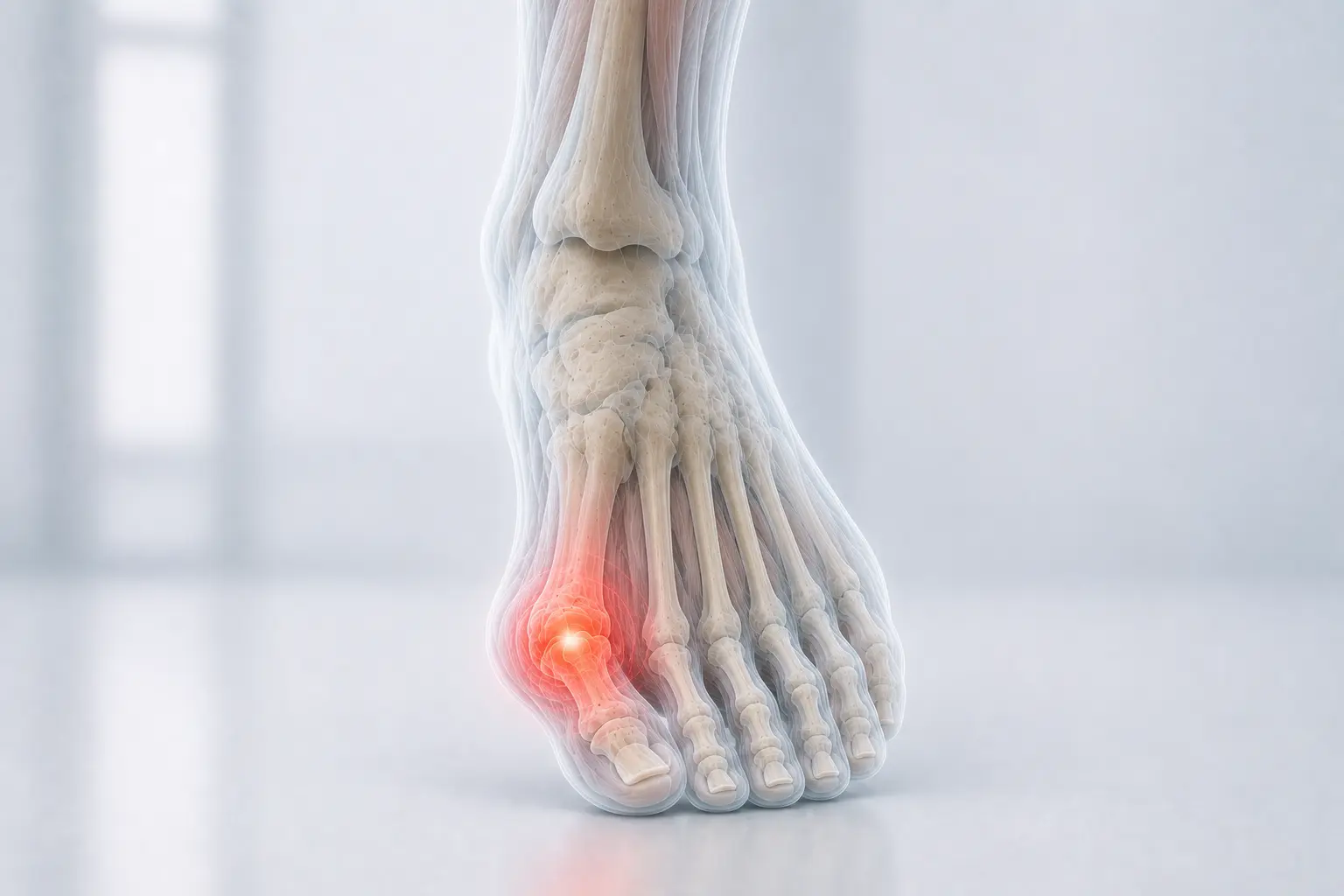
BUNIONS
Deformity of the big toe that causes pain and discomfort when walking.
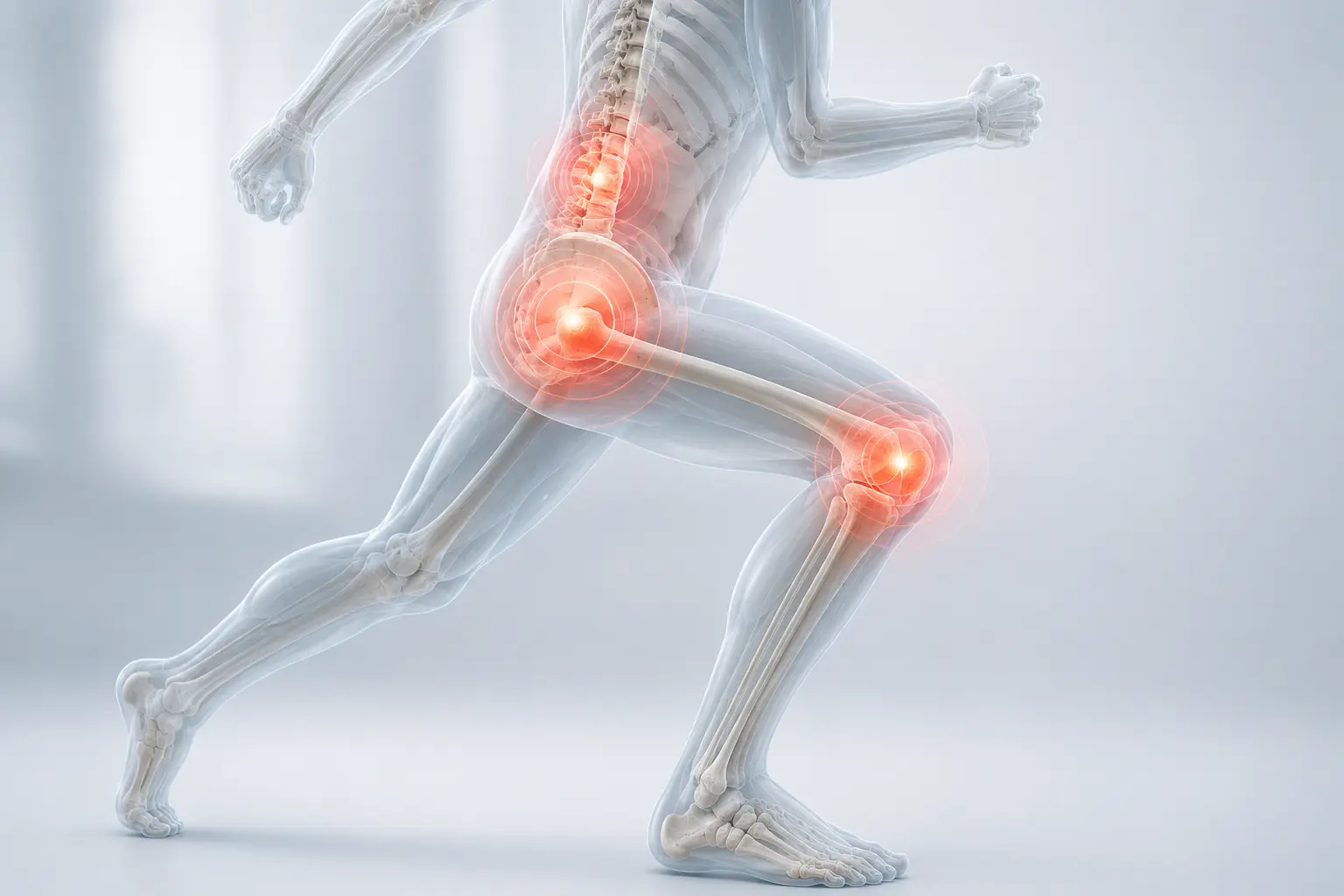
JOINT PAIN
Pain or discomfort in the knees, hips and back.
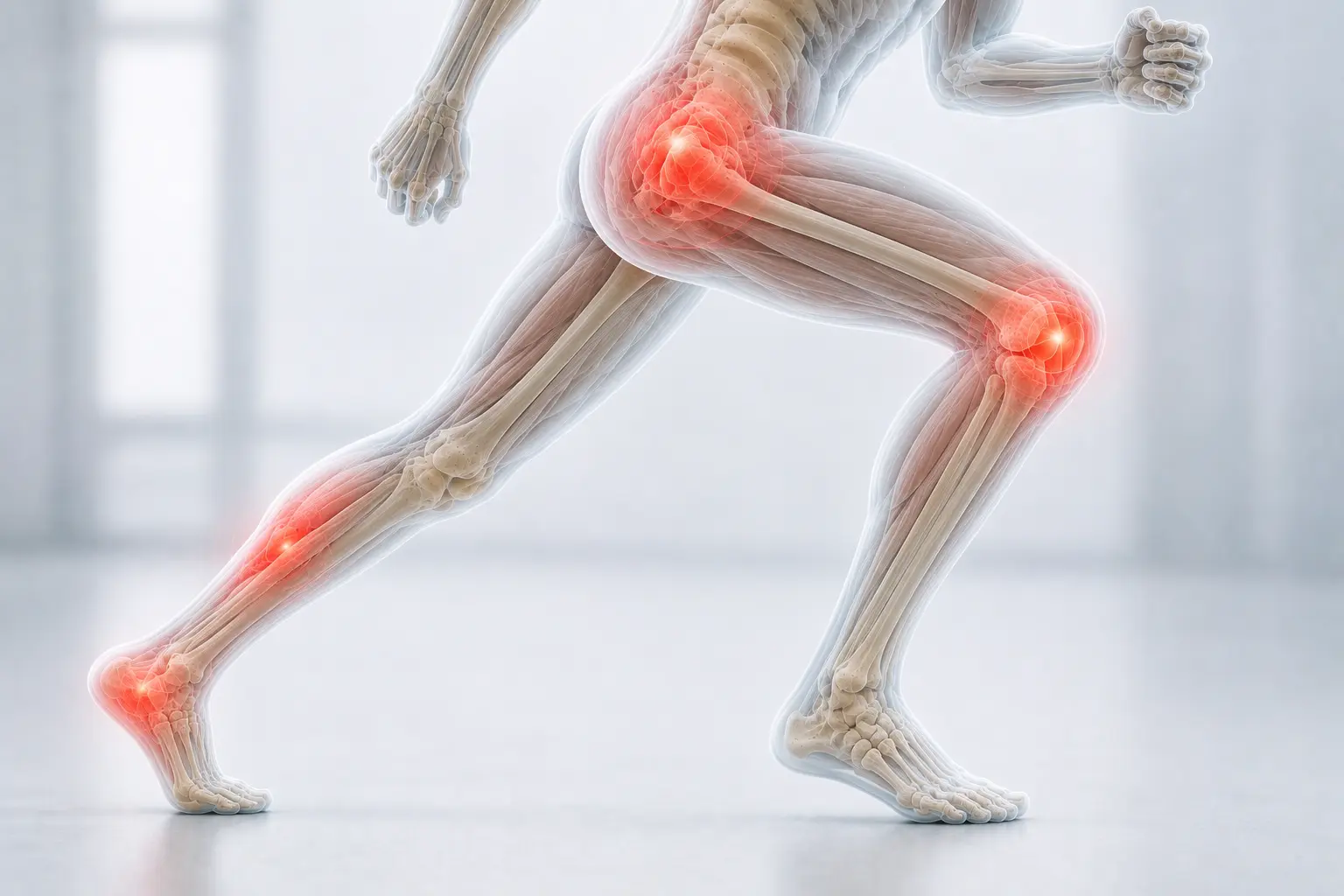
SPORTS OVERUSE INJURIES
Injuries caused by repetitive impact and excessive training.
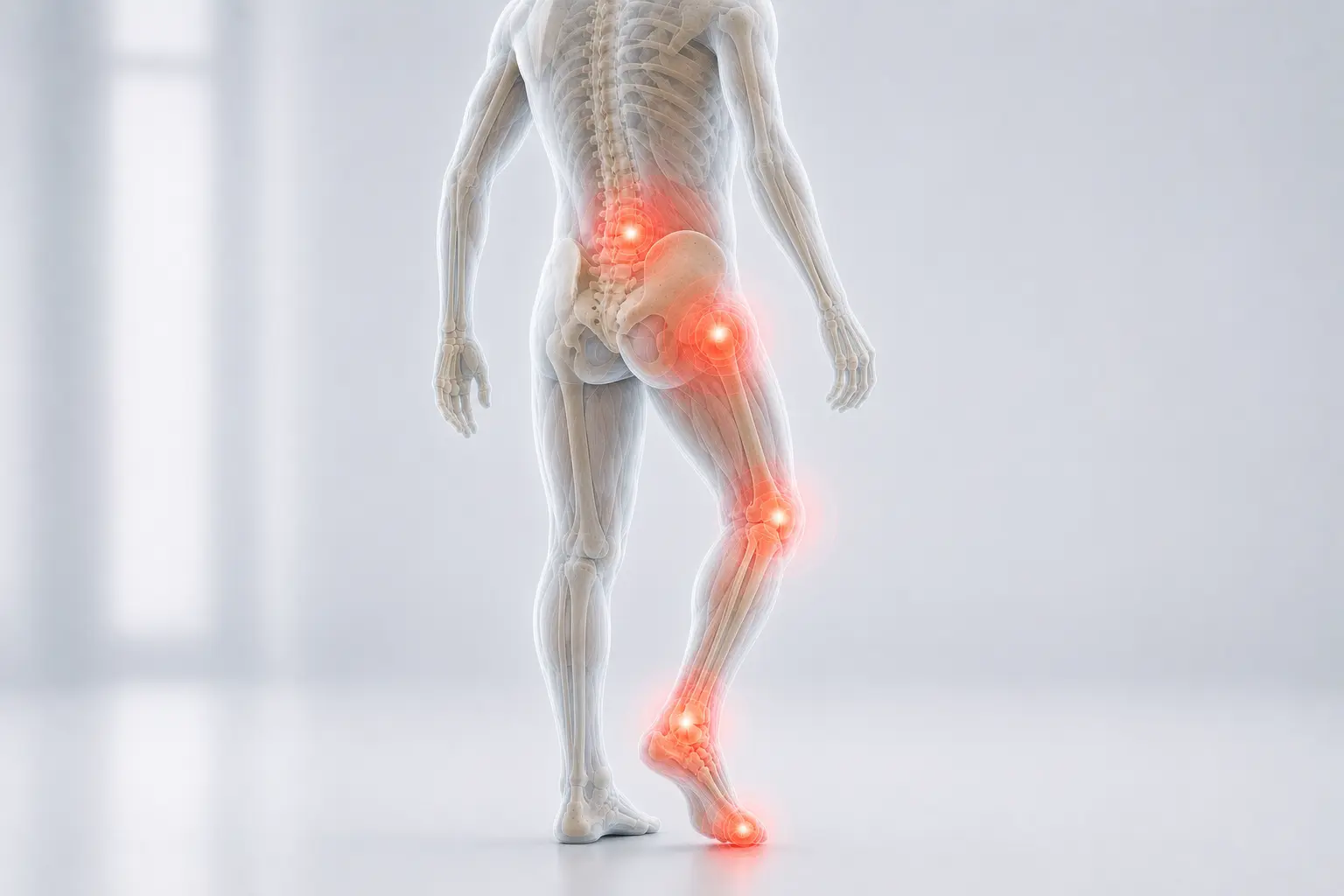
RECURRENT DISCOMFORT
Pain that frequently returns over time.
Our Assessment Process
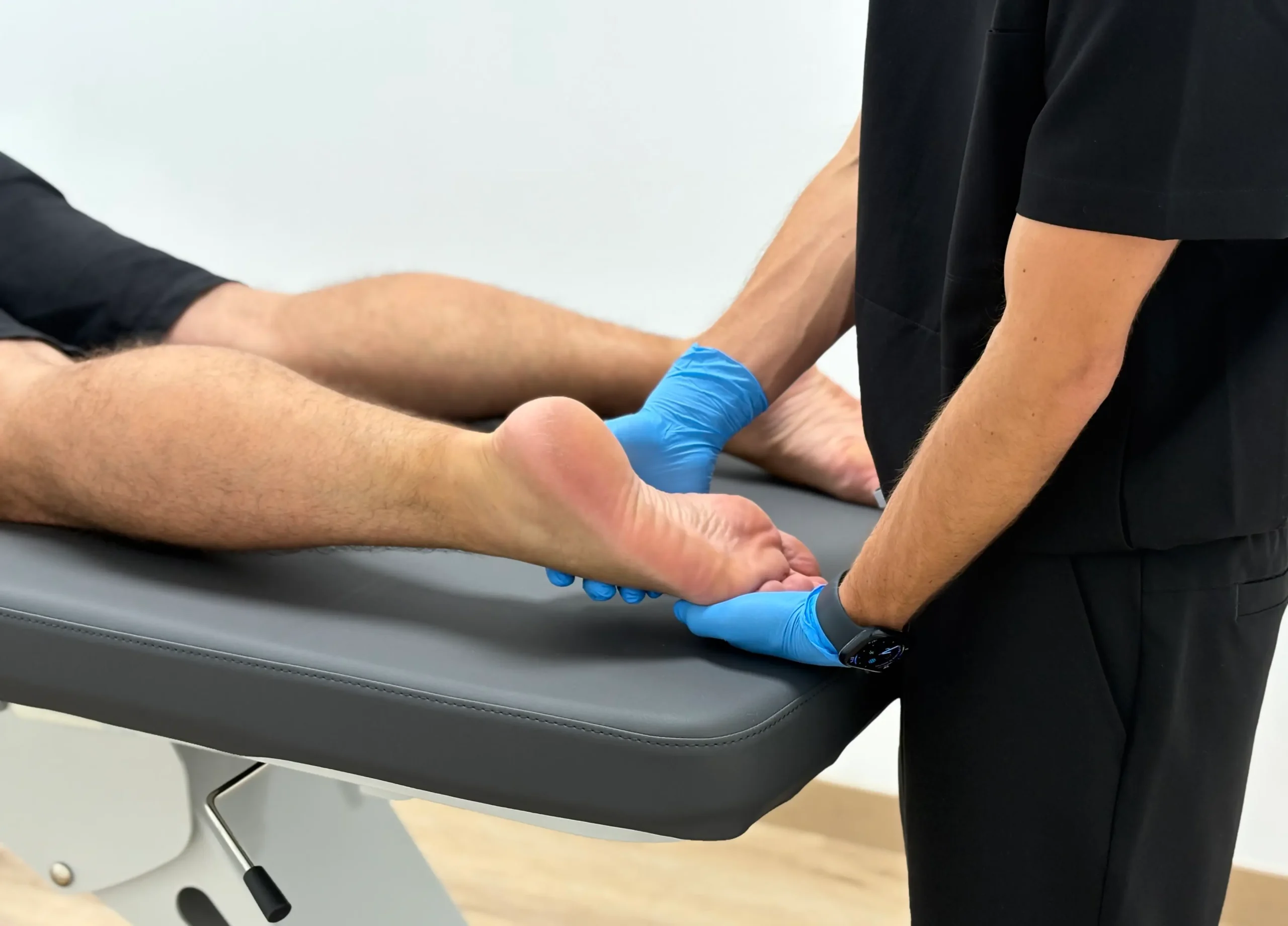
Clinical Assessment
We review your medical history and carry out a comprehensive physical examination, including mobility, posture, previous conditions and any symptoms or discomfort.
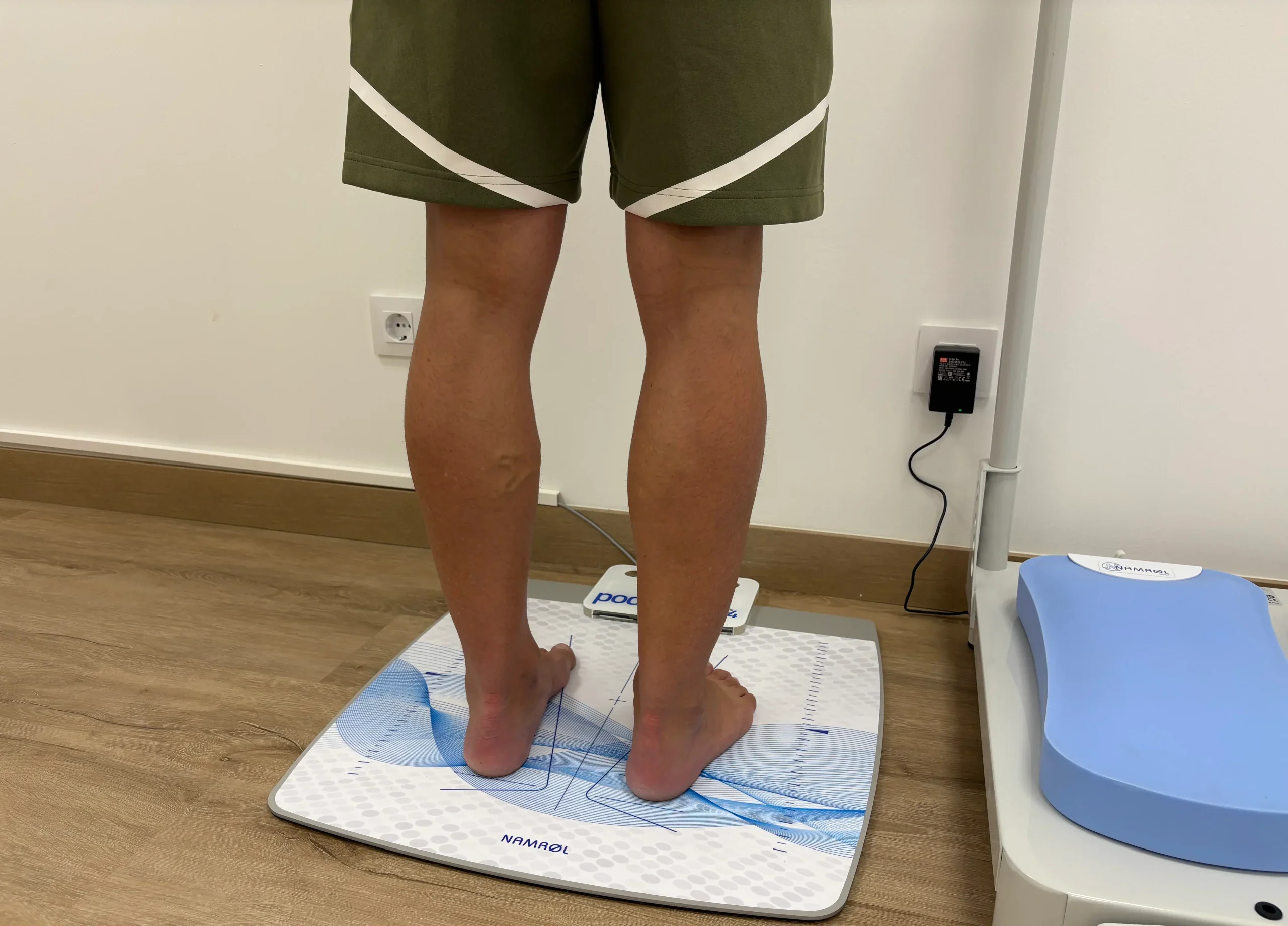
Gait Analysis
Static and dynamic assessment using pressure platforms to evaluate how your feet make contact with the ground.
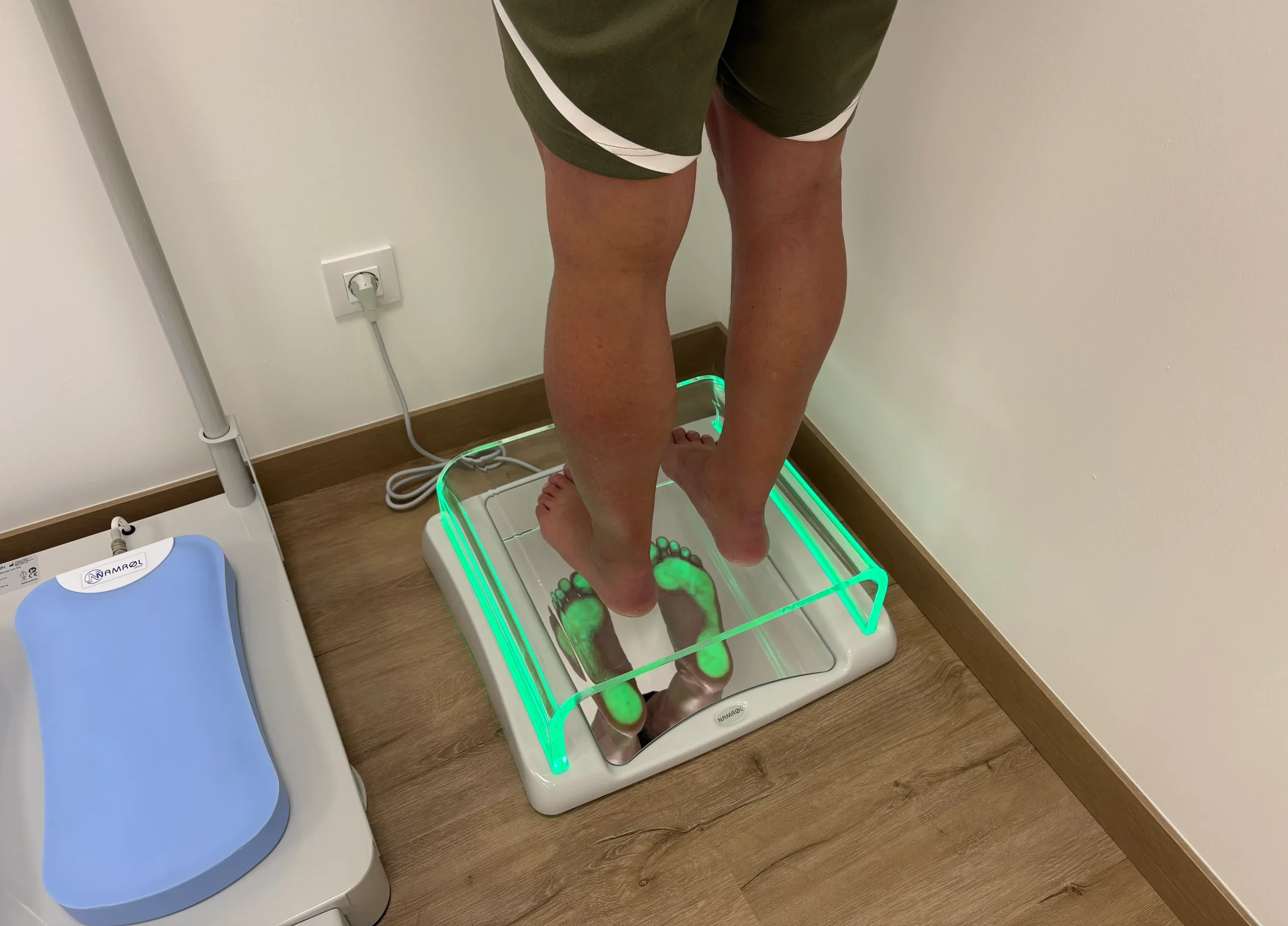
Biomechanical Gait Assessment
We analyse movement patterns, compensations and load distribution.
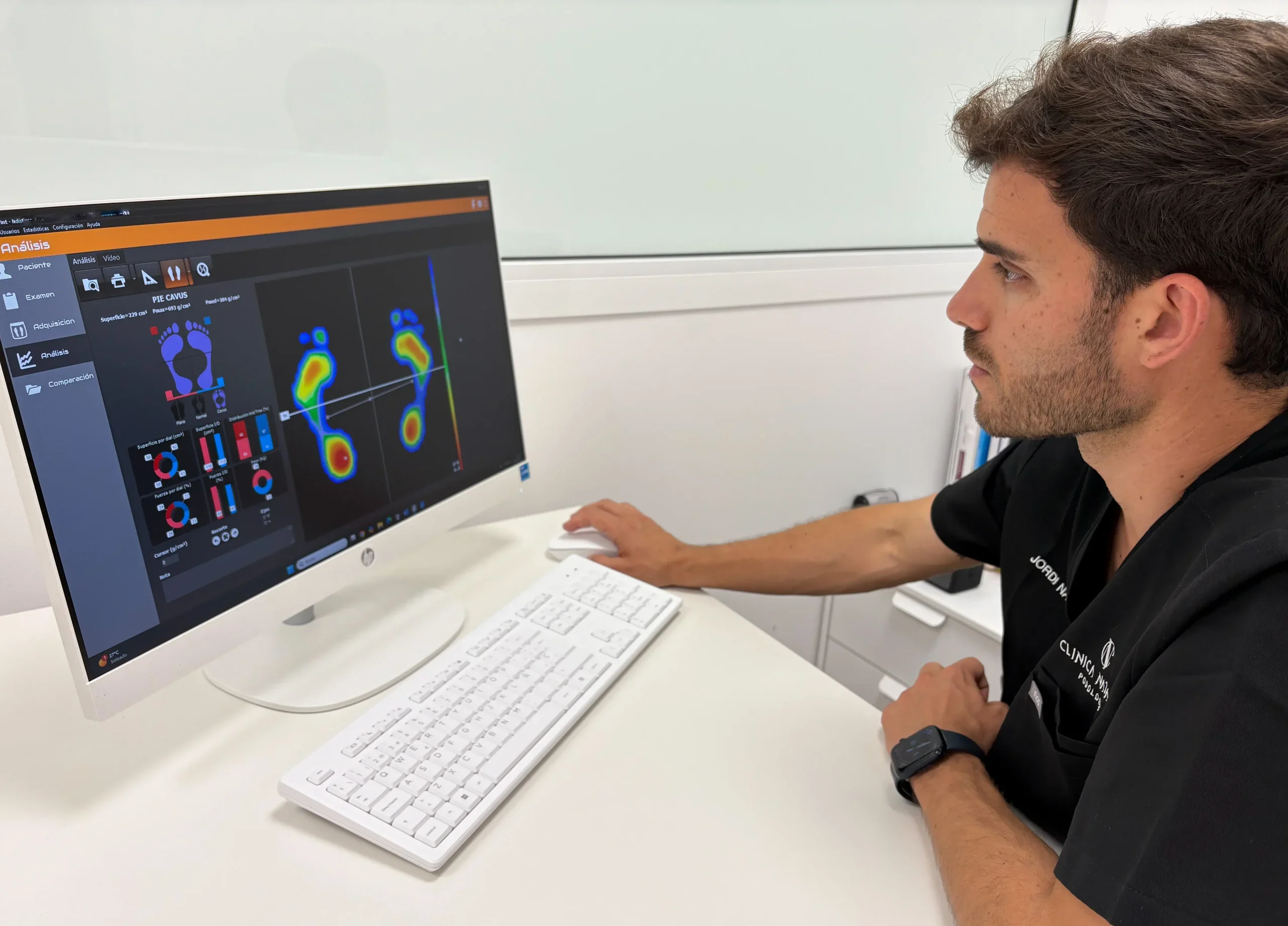
Diagnosis and Personalised Assessment
We relate the findings to your symptoms and design the most appropriate treatment plan for your needs.
Who Can Benefit?
A biomechanical assessment can be useful at different stages of life and in everyday situations, especially when recurrent discomfort is present or when we want to better understand how gait influences movement.


Growing Children and Teenagers
We identify biomechanical abnormalities from an early age.
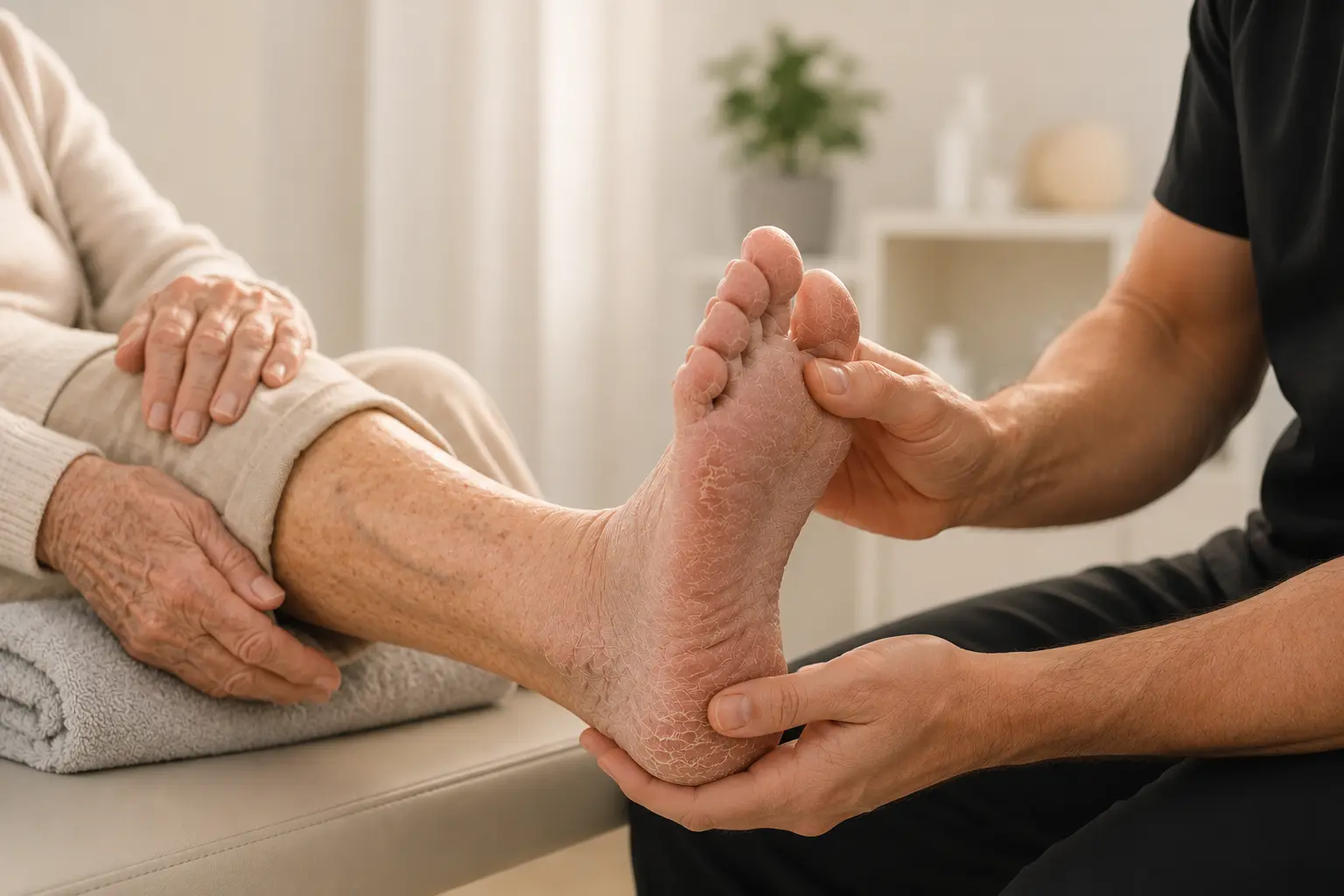
Older Adults or People with Diabetes
Specialised care to help prevent complications and improve quality of life.

People Who Spend Long Hours Standing
We help reduce fatigue and discomfort associated with prolonged standing.
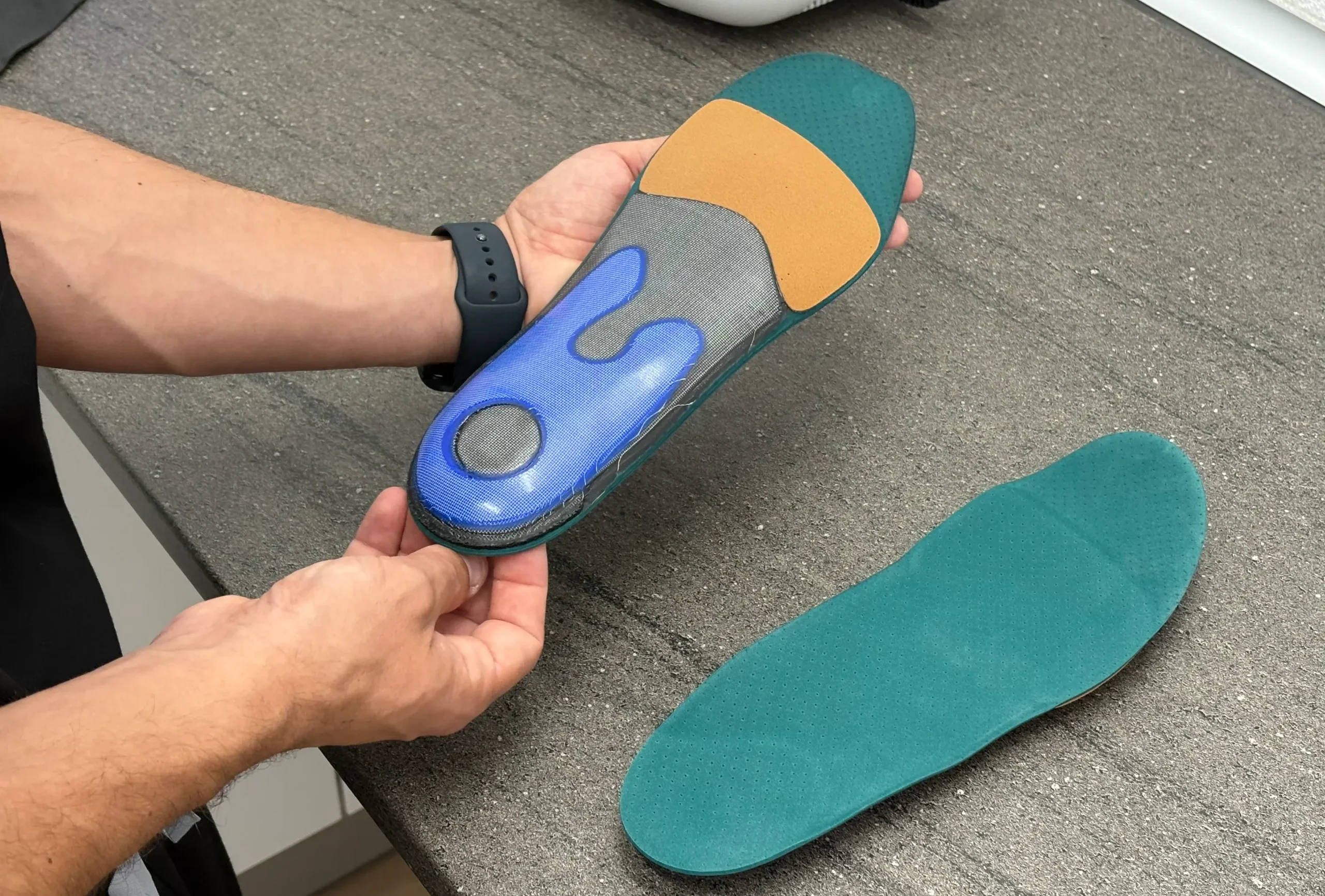
CUSTOM ORTHOTICS
Personalised treatments tailored to each patient
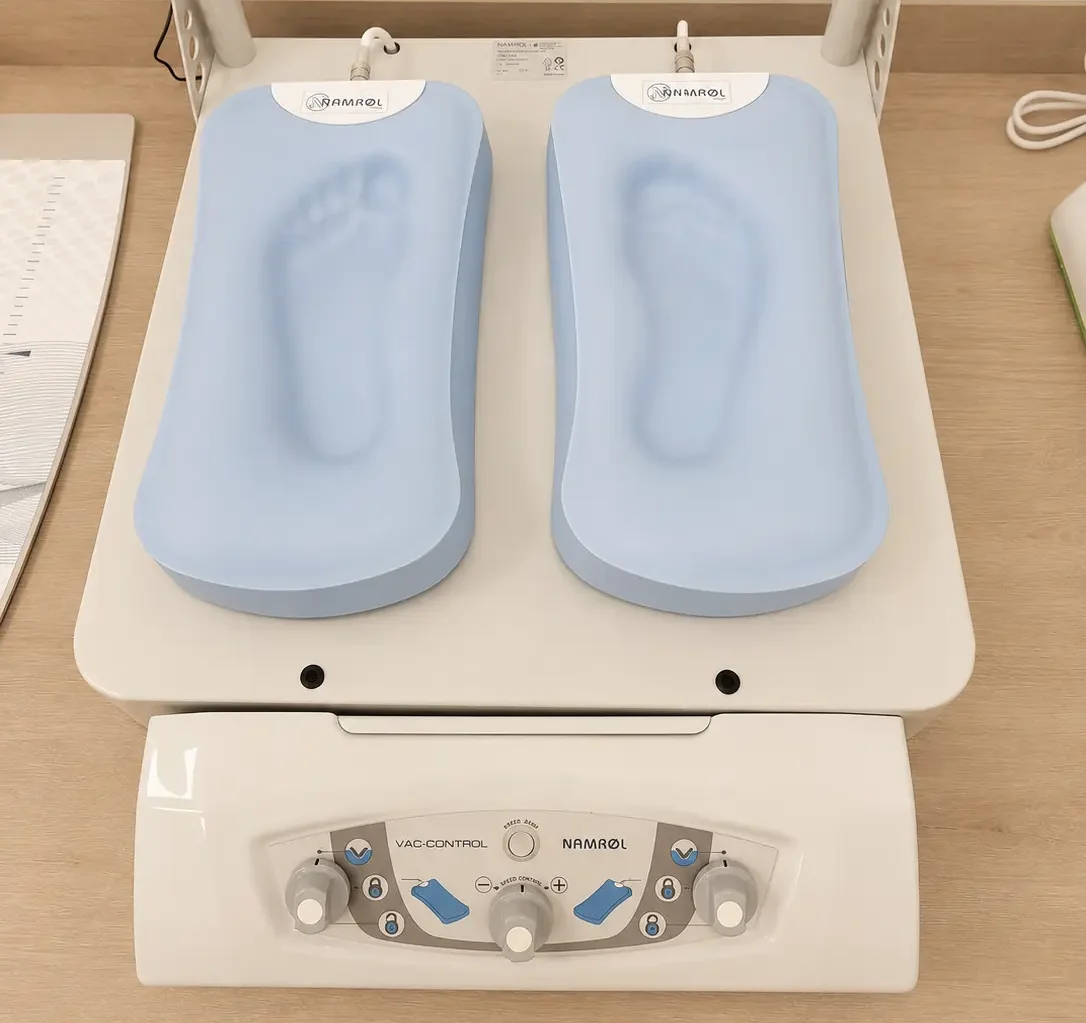
Following the biomechanical assessment, we determine which treatment is most appropriate for your needs. In some cases, custom orthotics may be recommended to improve foot support, reduce excessive strain and optimise the way your feet function during walking and daily activities.
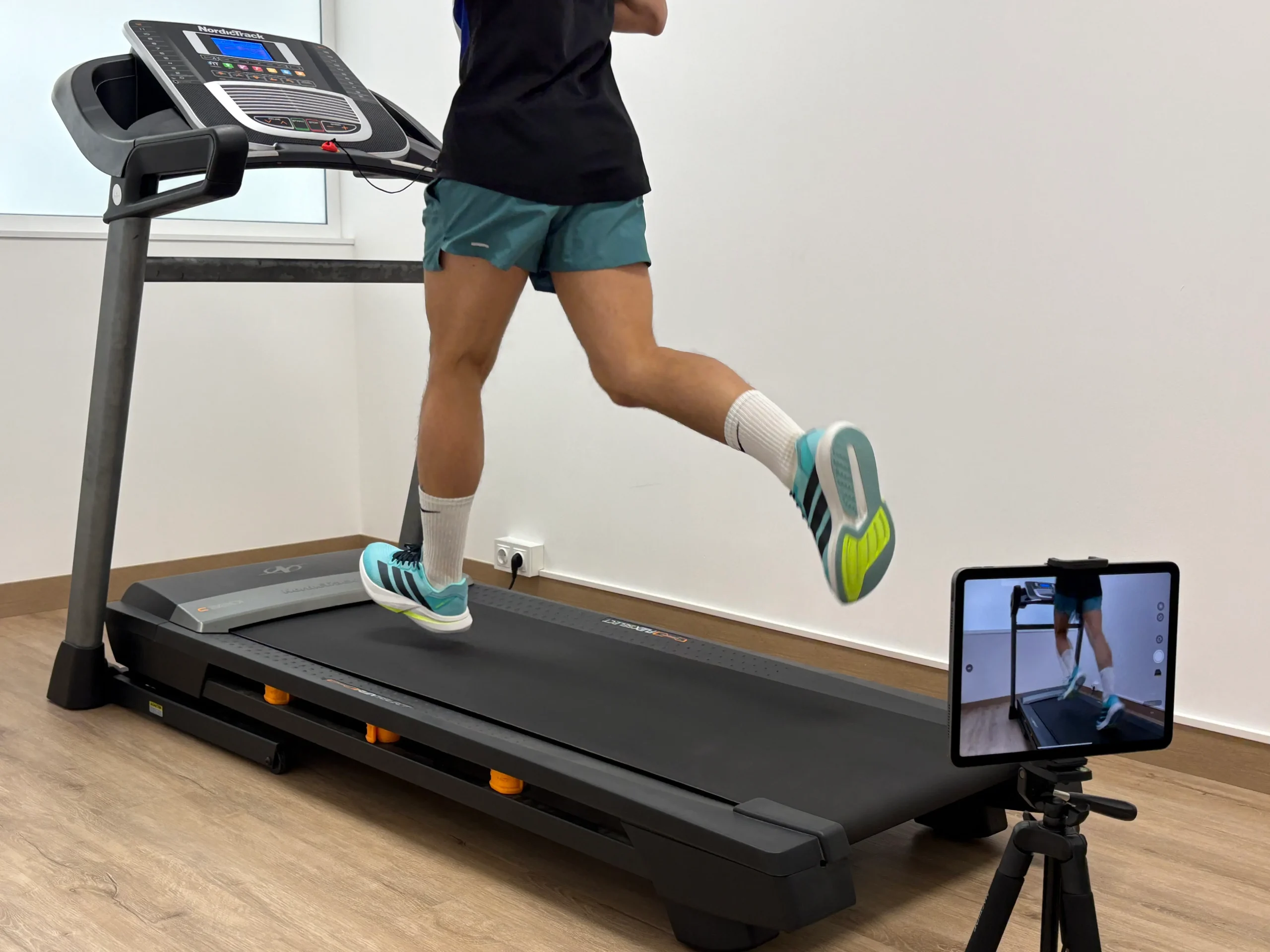
Biomechanics and Sports Activity
During sports practice, the feet are exposed to repetitive impacts and loads that can contribute to discomfort or injury.
A biomechanical assessment allows us to analyse how your feet function during movement and identify factors related to overuse, compensatory patterns or lack of stability.
This assessment can be particularly beneficial for activities such as running, trail running, padel and other high-impact sports, where the way the foot strikes the ground plays a key role in both performance and injury prevention.
TRUST AND EXPERIENCE
Every Step Is Different
Not all pain has the same cause. That is why an individual assessment is essential to understand how each person moves before determining the most appropriate treatment.
FREQUENTLY ASKED QUESTIONS
Yes. Although many people seek a biomechanical assessment because of pain or recurrent injuries, it can also be useful from a preventive perspective or to better understand how gait influences movement. This may be particularly relevant for active individuals, athletes or during periods of change in physical activity and daily demands.
It usually takes between 30 and 45 minutes and is not painful. It is a comfortable, safe, and highly accurate assessment.
We use digital gait analysis equipment and a pressure platform to accurately record how the foot functions during each phase of walking.
Yes. It is highly recommended, as a biomechanical assessment can help improve performance and prevent injuries caused by overload or poor foot mechanics.
Yes. It is recommended to repeat the assessment annually or after significant changes in body weight, physical activity, or footwear, to adjust or renew your orthotics if necessary.
Yes, we recommend bringing the footwear you normally wear (sports shoes or everyday shoes) so that any orthotics can be tailored to your real needs.
No. Although it is widely known in sports, a biomechanical assessment can be beneficial for anyone.
Not always. Orthotics are one possible treatment option, but not every patient needs them. Recommendations will depend on the results of the biomechanical assessment and the specific needs of each individual.
Yes. In fact, it may be advisable to review how the treatment is working and assess whether your orthotics are still appropriate for your current needs. Changes in physical activity, footwear or the progression of certain symptoms may make a reassessment beneficial.
Take the first step towards your wellbeing
If you experience discomfort while walking, running or standing for long periods, a biomechanical assessment can help you understand how your gait influences movement and guide the most appropriate treatment for your needs.