


PERSONALISED TREATMENT
Custom Orthotics Insoles
Designed according to each person’s walking pattern, daily activities and individual needs. They help relieve foot discomfort and may contribute to improving symptoms related to the knees, hips and back.
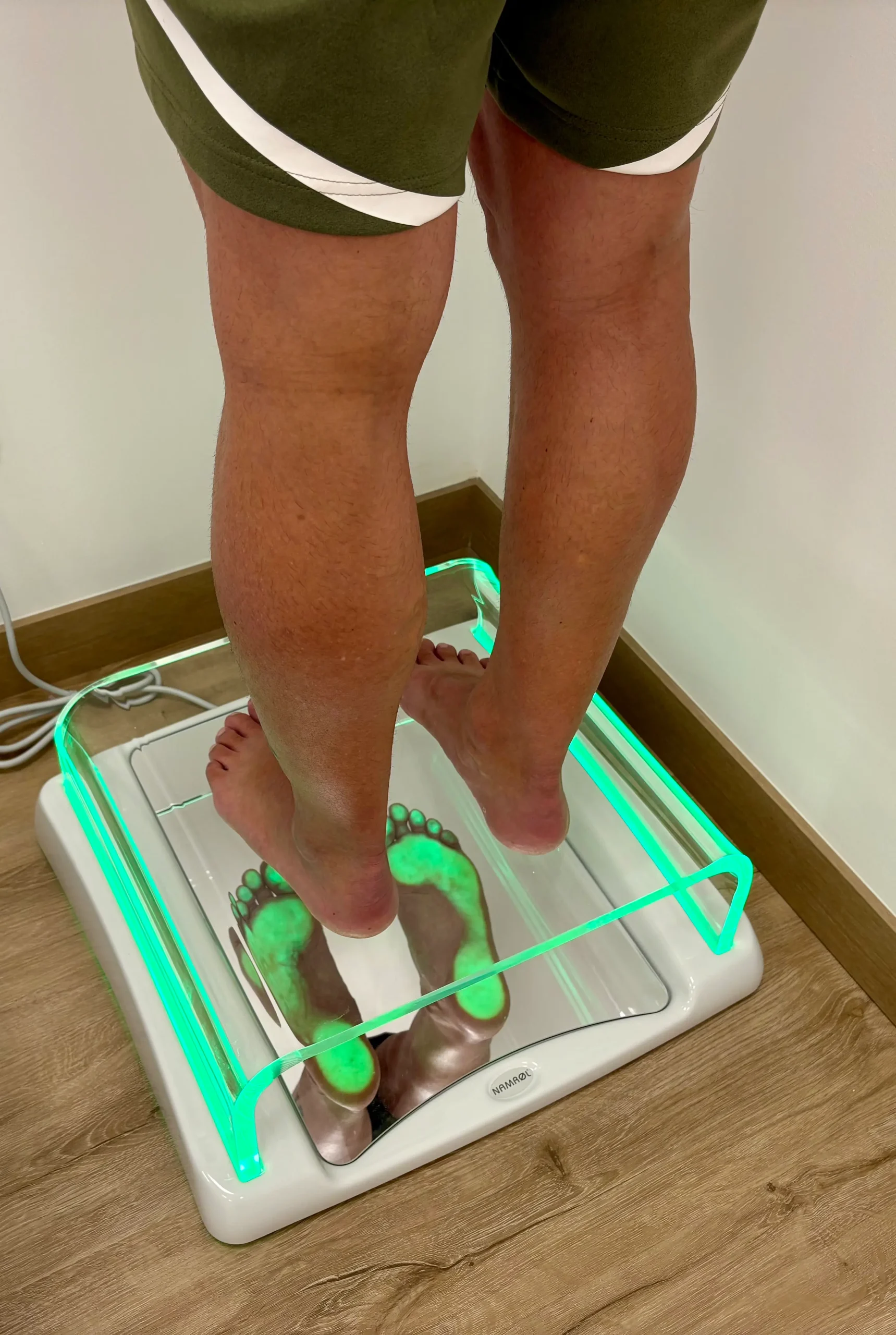
What is their purpose?
Custom orthotics are a personalised podiatric treatment designed following a detailed gait and foot analysis. Their aim is to optimise foot function, improve stability and promote a more balanced distribution of weight and pressure while walking, helping movement become more comfortable and efficient.

Individual adaptation
Designed taking into account each person’s structure and individual needs.

Proper support
They promote a more balanced distribution of loads.

Greater comfort
They may help reduce discomfort during daily activities.

Balance and stability
They contribute to improving movement control.
Every Footstep is Unique
No two people load their feet in exactly the same way. For this reason, orthotics are individually manufactured and adapted for each patient. They are designed taking into account:

Clinical assessment
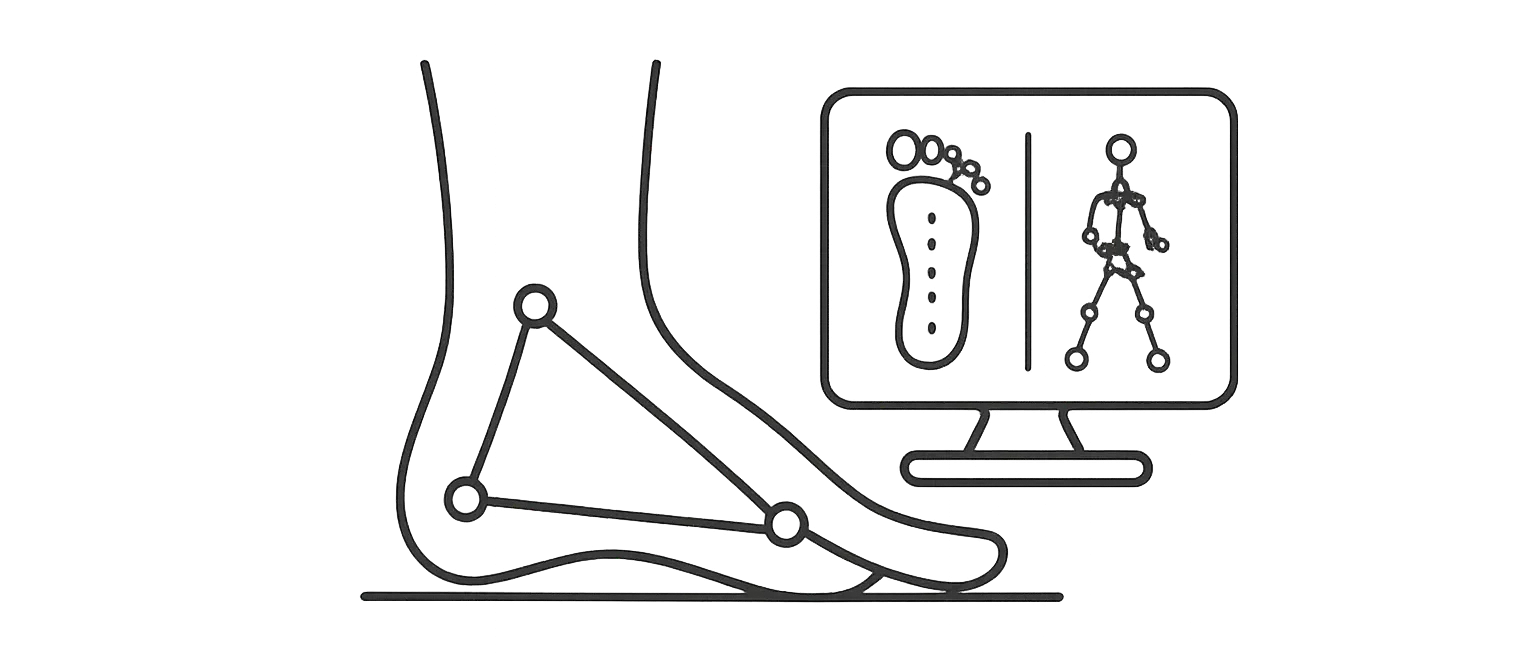
Biomechanical assessment

Anatomical characteristics
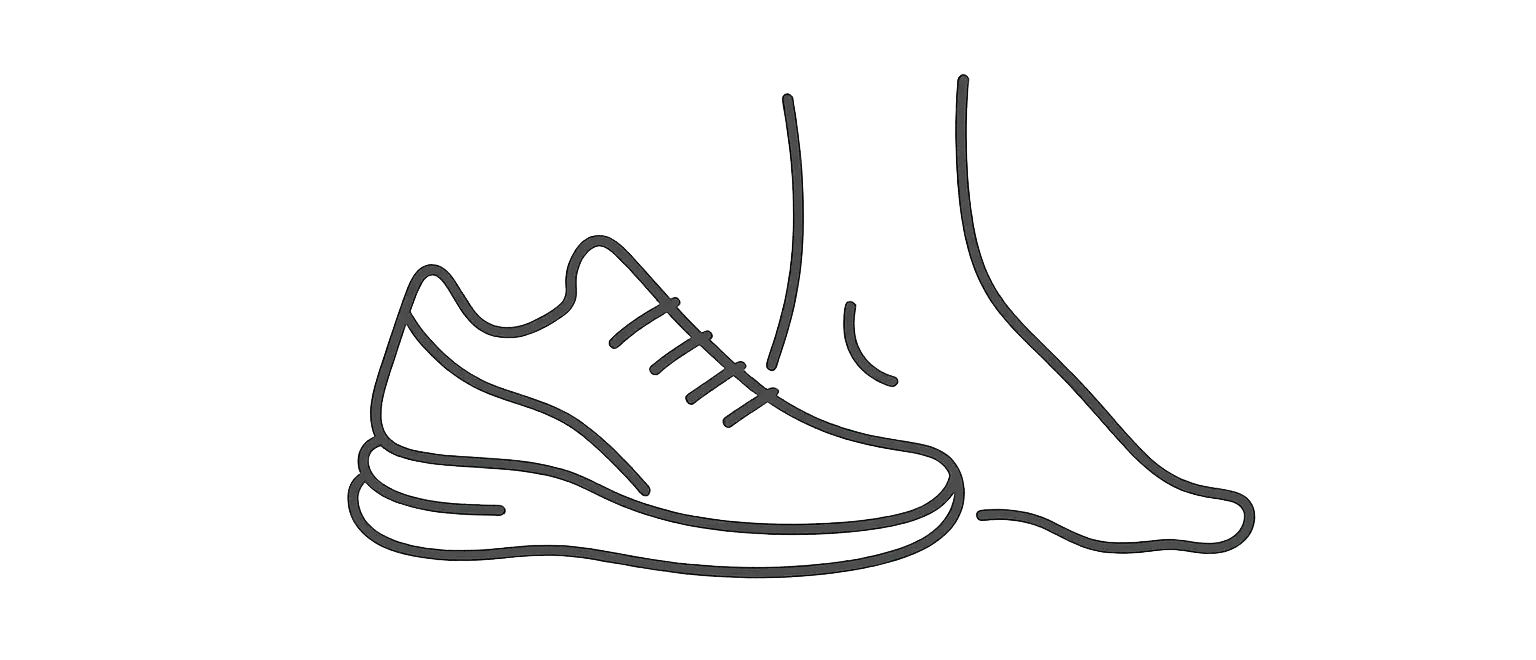
Type of activity and footwear

Treatment goals

Individual needs
From Assessment to Treatment
The objective is not only to improve foot support, but also to understand the source of discomfort and provide the most appropriate solution for each person. For this reason, custom orthotics form part of a process that begins with an individual assessment.
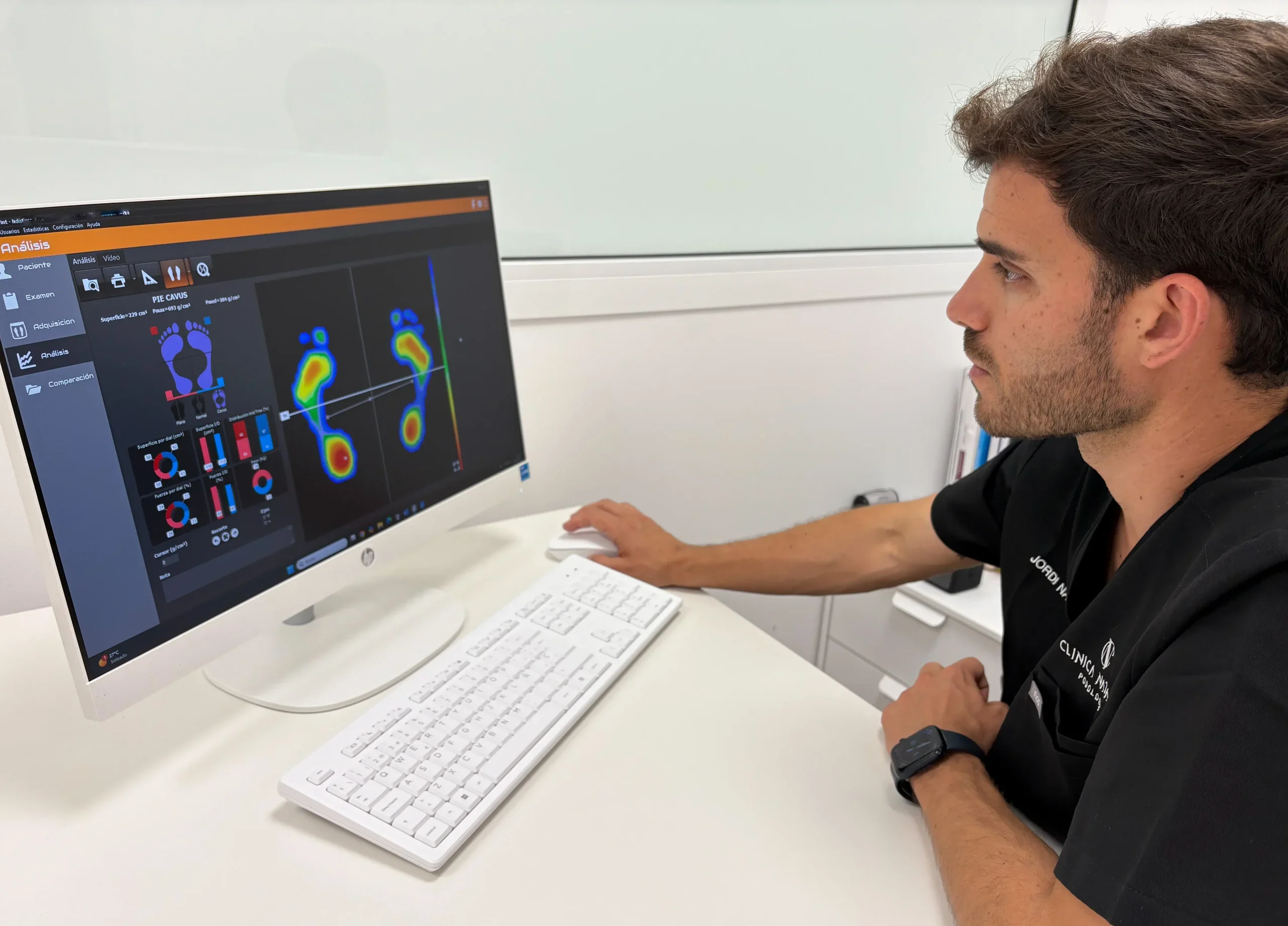
In cases where it may provide relevant information, we carry out a comprehensive biomechanical assessment to analyse gait, foot function and movement mechanics, identifying the factors that may be contributing to symptoms and determining whether orthotics can provide a real benefit.
Our Process
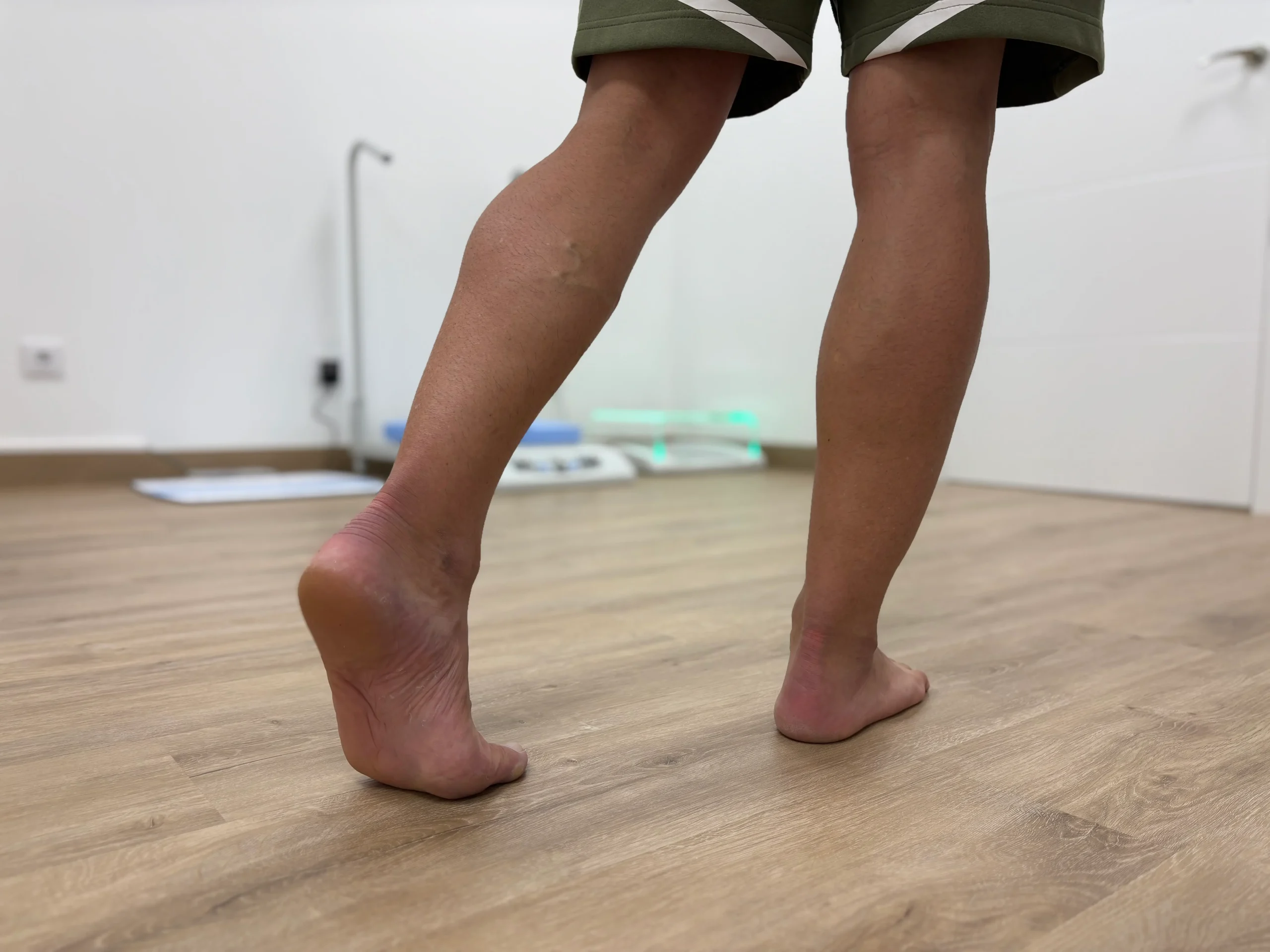
Initial Assessment
We evaluate your posture, the way you walk and your individual needs.
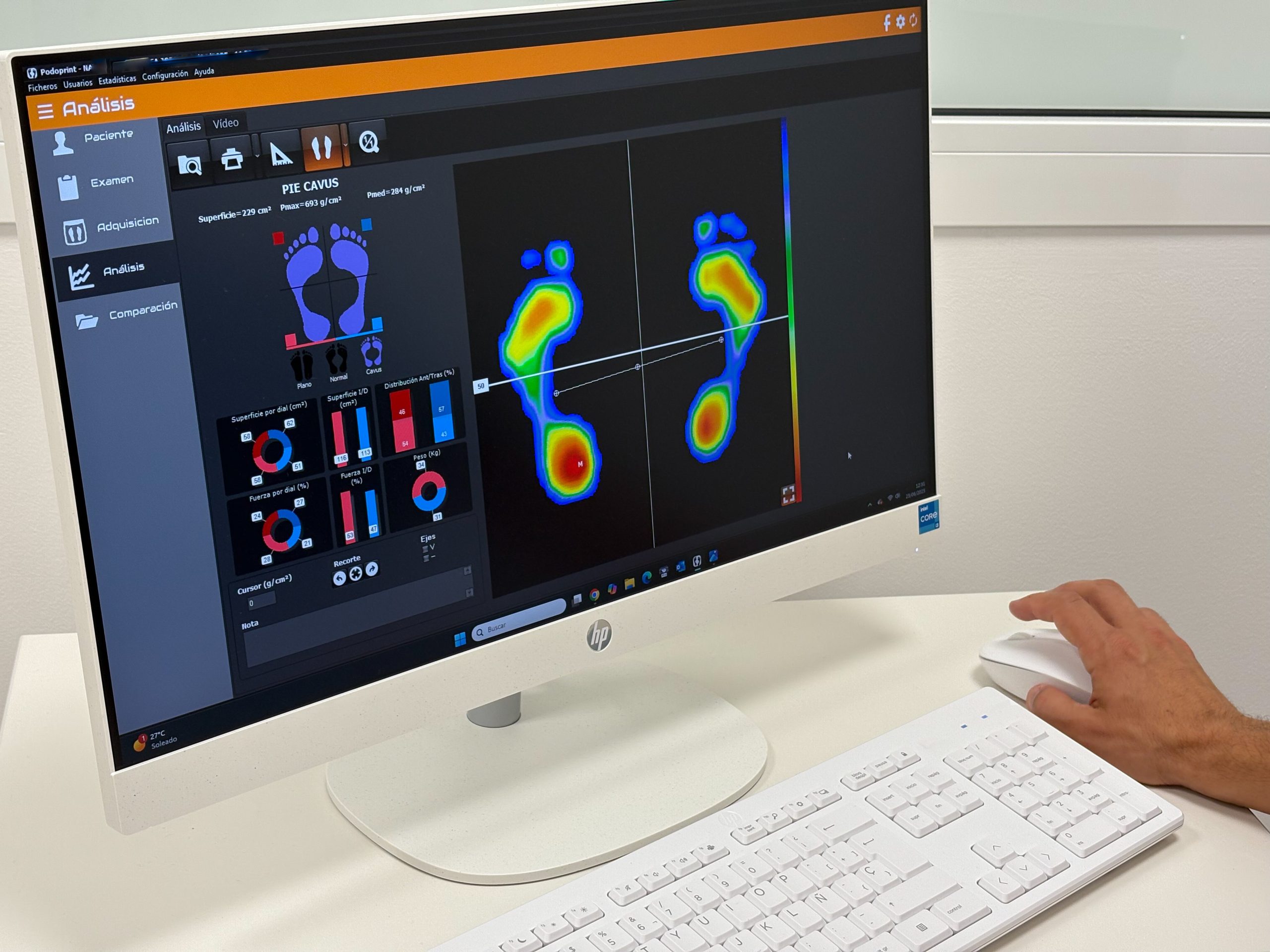
Gait Analysis
We perform a precise static and dynamic assessment of your gait.
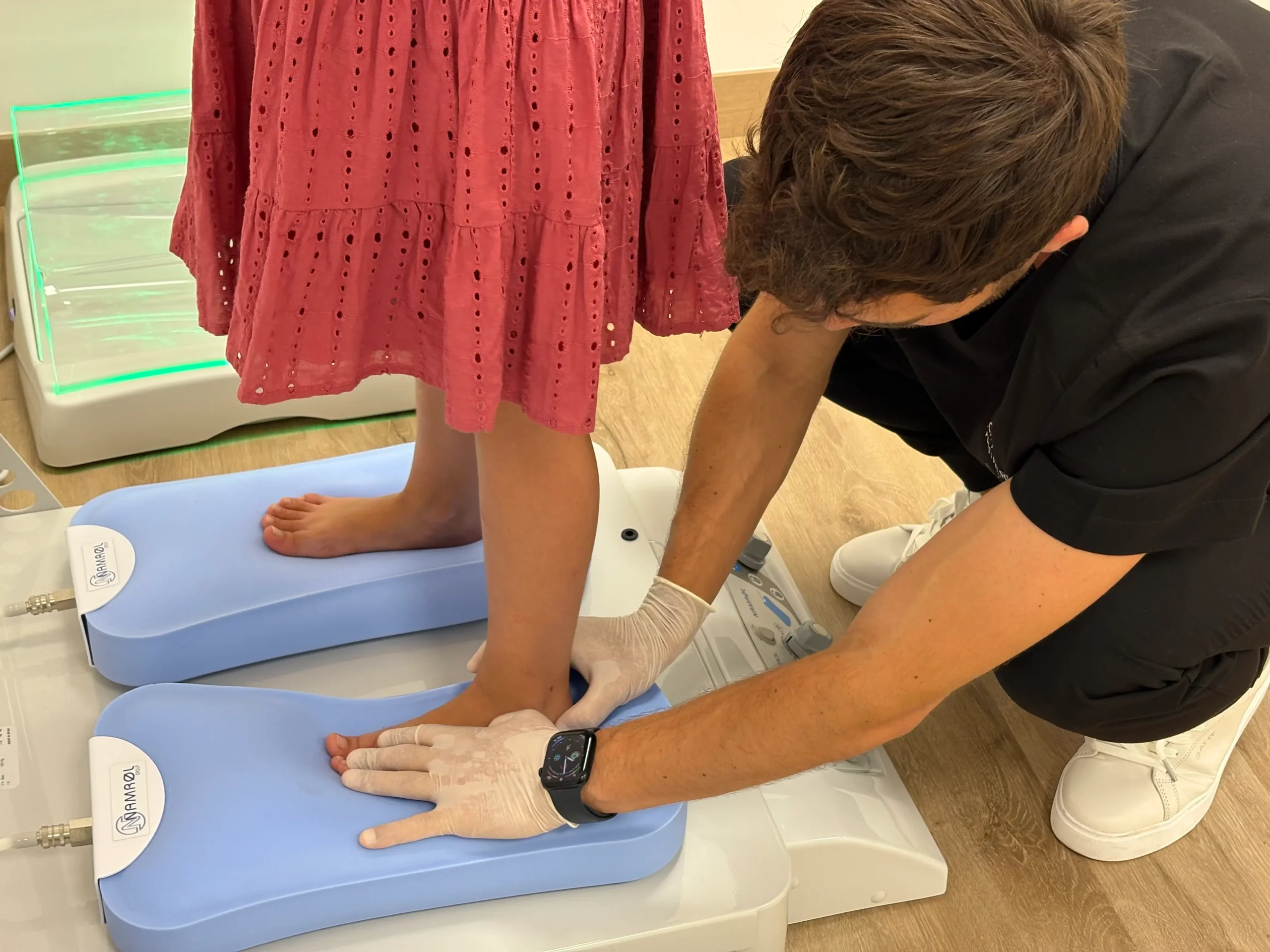
Custom Adaptation
We design your orthotics specifically for your foot structure and daily activities.
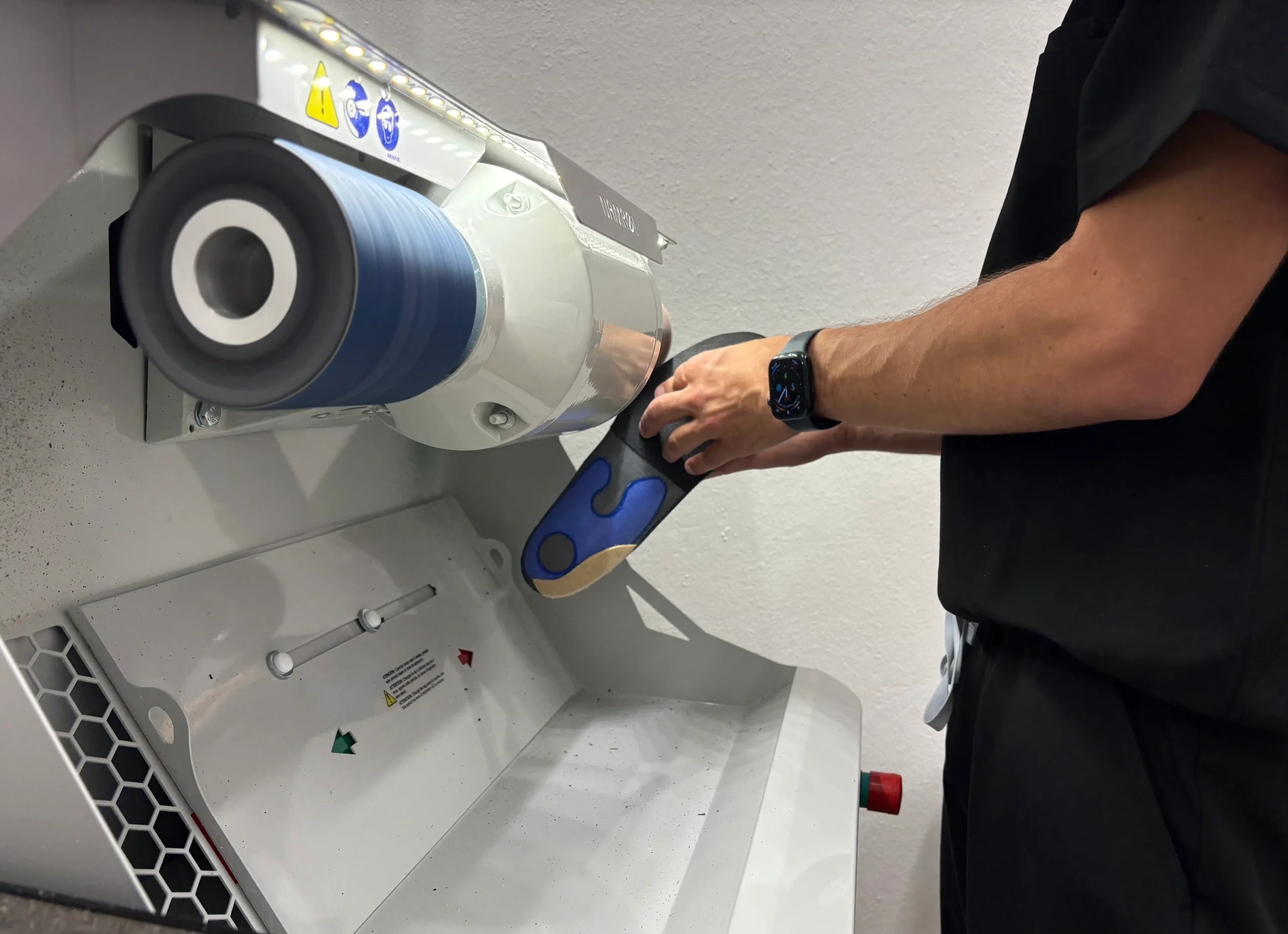
Follow-up and Adjustments
We monitor your progress and make adjustments when necessary.
When Can They Be Recommended?

Daily Life
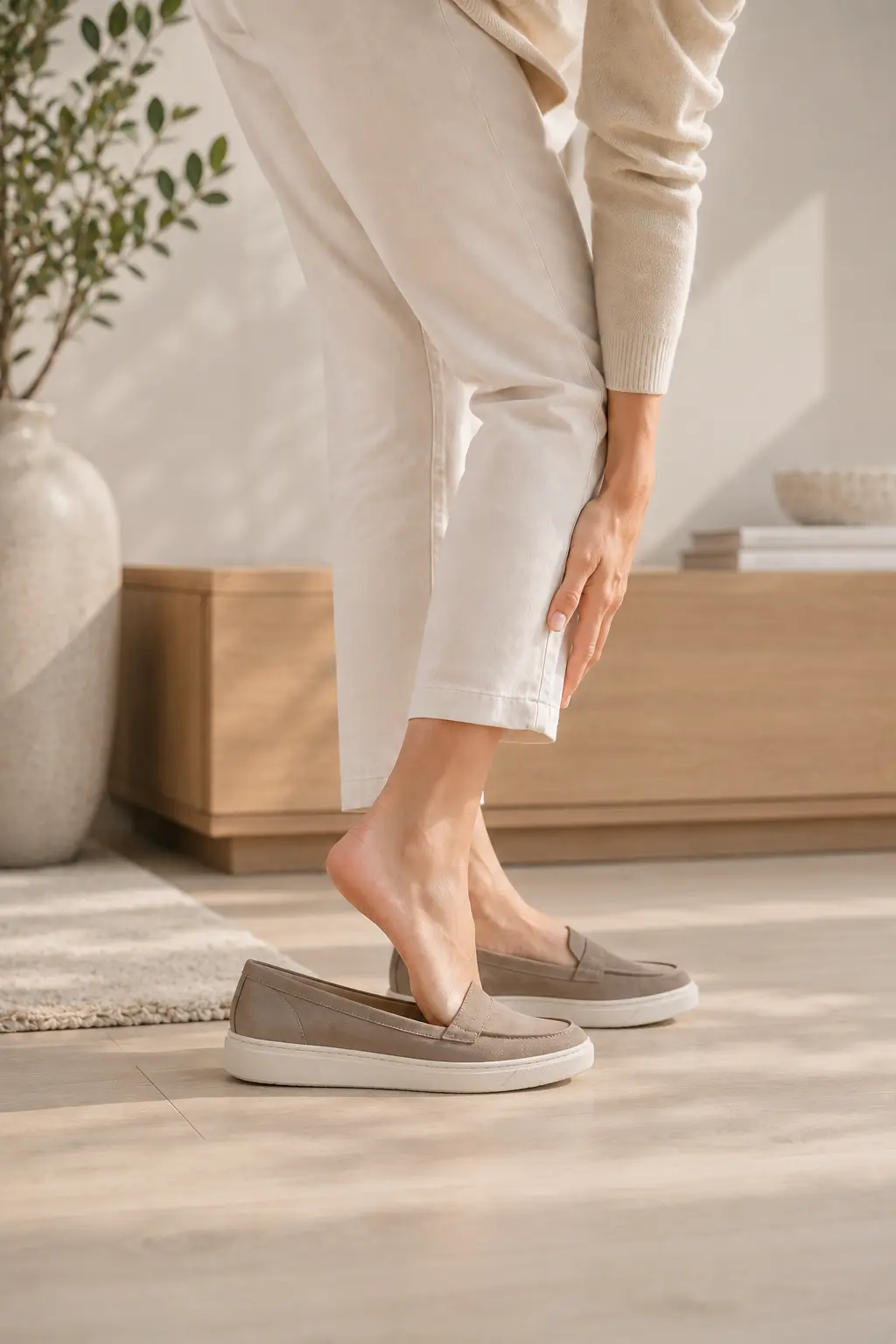
To improve comfort while walking, standing for long periods or carrying out everyday activities more comfortably.
Pain and Recurring Discomfort
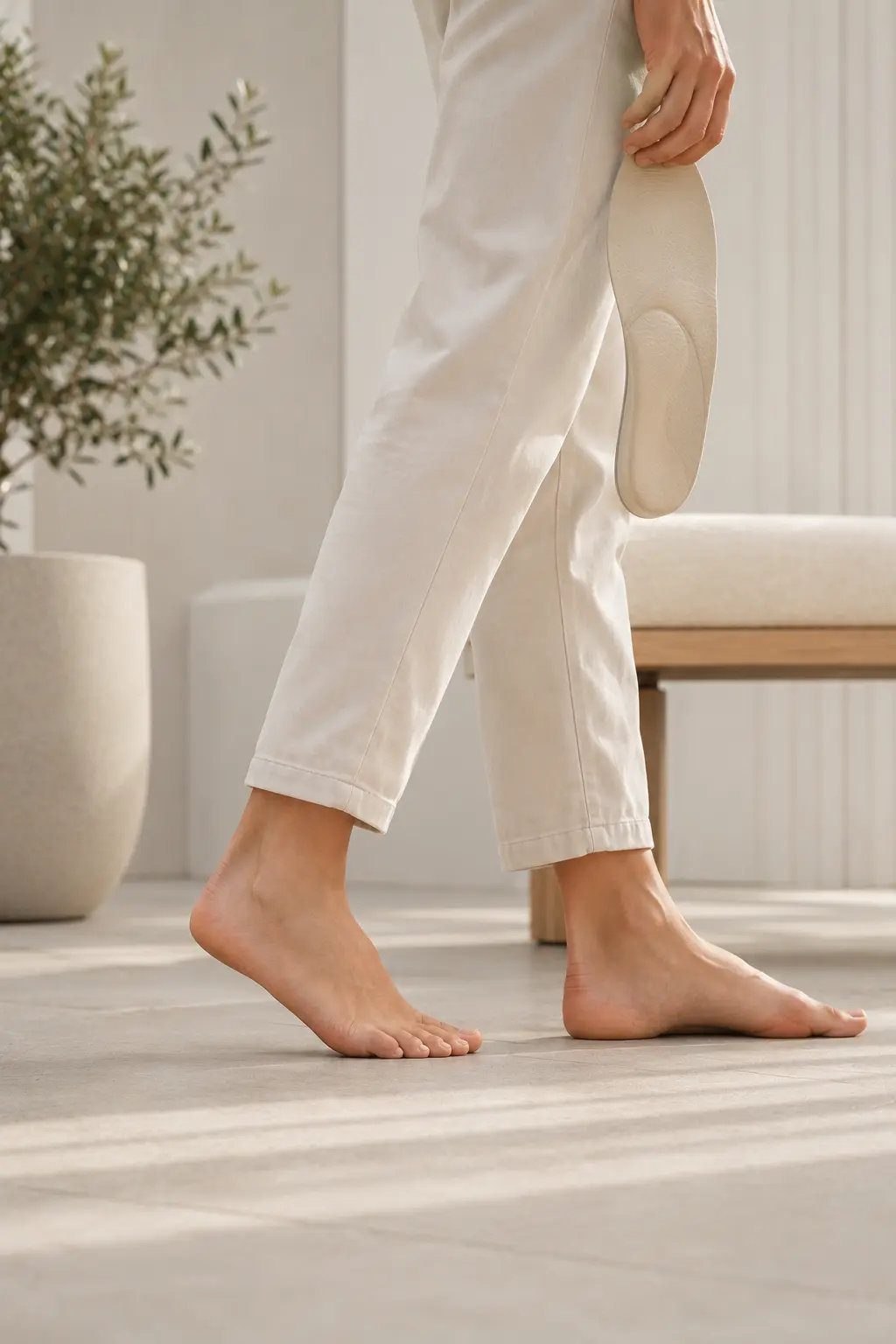
When frequent symptoms affect the feet, hips or back, including heel pain, plantar fasciitis, metatarsalgia or muscular overload.
Biomechanical Alterations
In cases of flat feet, high arches, certain walking patterns and other alterations that may affect the way a person walks or runs.

Sports Activities
They help improve support, stability and load distribution during sport, contributing to the prevention of overload injuries and discomfort.

Prevention
As part of a treatment plan aimed at improving foot function, optimising gait mechanics and reducing the risk of future injuries.
FREQUENTLY ASKED QUESTIONS
Generic insoles provide cushioning and standard support, whereas custom orthotics are designed following a detailed foot assessment to match your gait, correct imbalances and help prevent injuries by addressing the underlying cause of the problem.
Yes. Before prescribing custom orthotics, a podiatric assessment and biomechanical examination are required. This allows us to analyse your walking pattern, foot function and individual needs in order to design a treatment that is truly tailored to you.
In adults, orthotics do not change the shape of the foot, but they can improve gait mechanics, distribute pressure more effectively and relieve discomfort, providing greater comfort when walking, better posture and a lower risk of injury. In children, they may also help guide foot development and posture, supporting healthy growth as they develop.
No. They can benefit a wide range of people, from those who spend long hours standing to growing children and older adults, helping both to relieve discomfort and prevent future problems.
This depends on the level of use and the materials used, but in adults they typically last between 1 and 3 years. In children, reviews are recommended every 6 to 12 months, with replacement only when they become worn, lose effectiveness or foot mechanics change.
Orthotics are considered effective when pain decreases, comfort improves during walking or sporting activities, and greater stability is noticed. Regular follow-up appointments are also recommended to make adjustments if necessary.
Yes. Some people may need a few days to adapt to the new support provided by the orthotics. A gradual introduction is usually recommended, following the professional’s advice to ensure a comfortable adjustment.
Not always. If there is no pain, gait abnormality or risk factor, orthotics may not be necessary. However, in some cases they can be beneficial as a preventive measure. For this reason, each situation should be assessed individually by a healthcare professional.
Yes. The design is tailored not only to your needs but also to the type of footwear you wear regularly, whether for sport, work or everyday use. Factors such as shoe shape, available space and intended use are considered to ensure the orthotics remain comfortable and effective throughout your daily activities.
Not necessarily. The need to use orthotics depends on the cause of the symptoms, the goals of treatment and each person’s progress. In some cases, they may be recommended for a specific period of time, while in others they may form part of a longer-term treatment plan. Regular reviews help determine whether they are still necessary.
Find the most suitable solution for your gait and foot function.
An individual assessment is the first step in understanding how we can help you.