


Specialists in
paediatric podiatry
We support children’s foot development from their first steps through adolescence.
We identify potential alterations and help families understand whether they are part of normal development or require follow-up, promoting healthy growth and development.
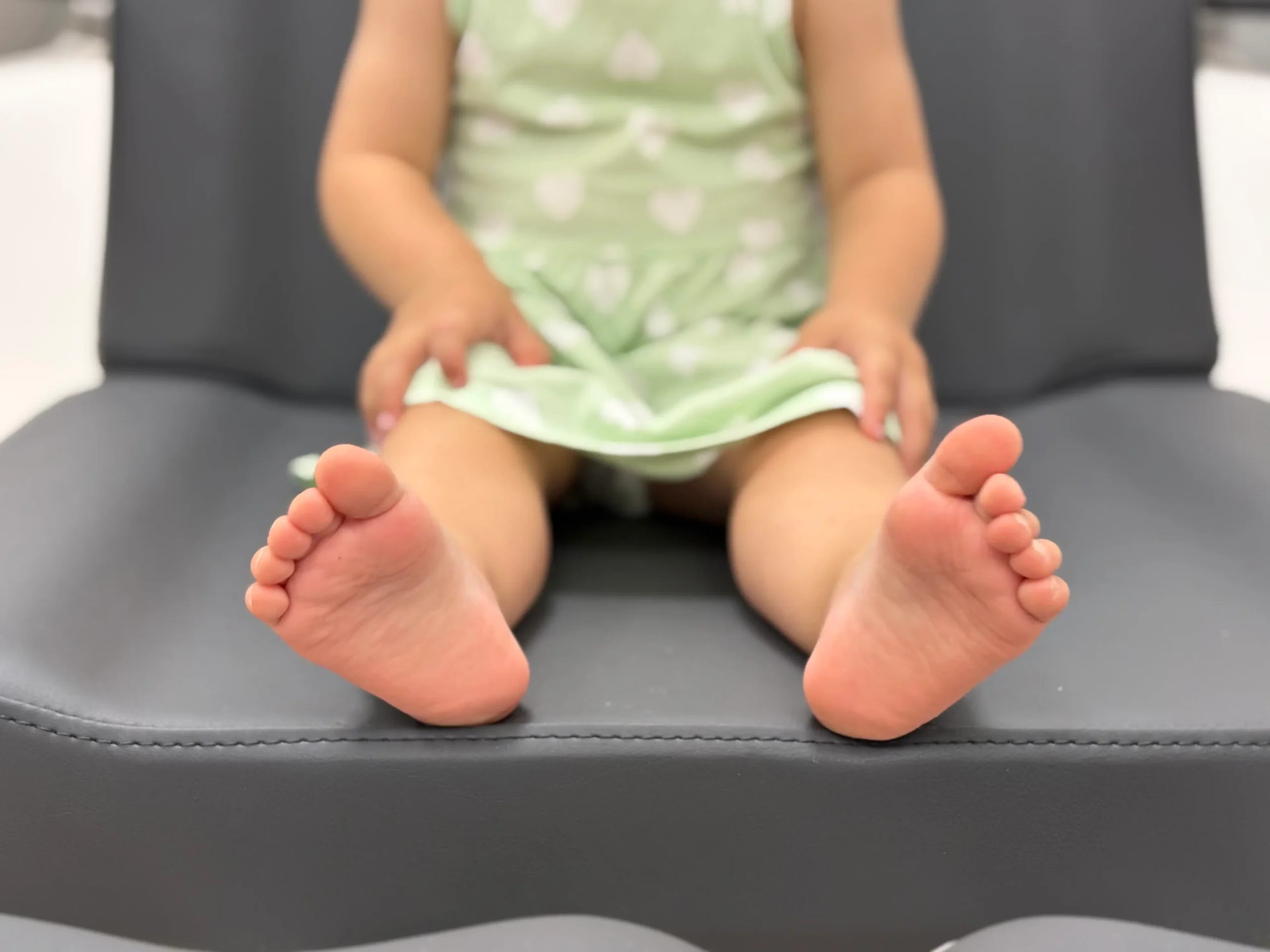
A child’s foot is constantly growing and developing
During childhood, the foot changes and develops continuously. Many situations that may cause concern for families are part of normal development, while others require monitoring to prevent them from becoming problems in adulthood.
At this stage of development, the body has a remarkable capacity to adapt. Identifying certain alterations early can facilitate appropriate follow-up and, when necessary, allow for simpler and more effective interventions, promoting healthy movement development.
When should you seek advice?
If you have any concerns, an assessment can help determine whether everything is progressing normally or whether any intervention may be beneficial.
Conditions We Commonly Assess
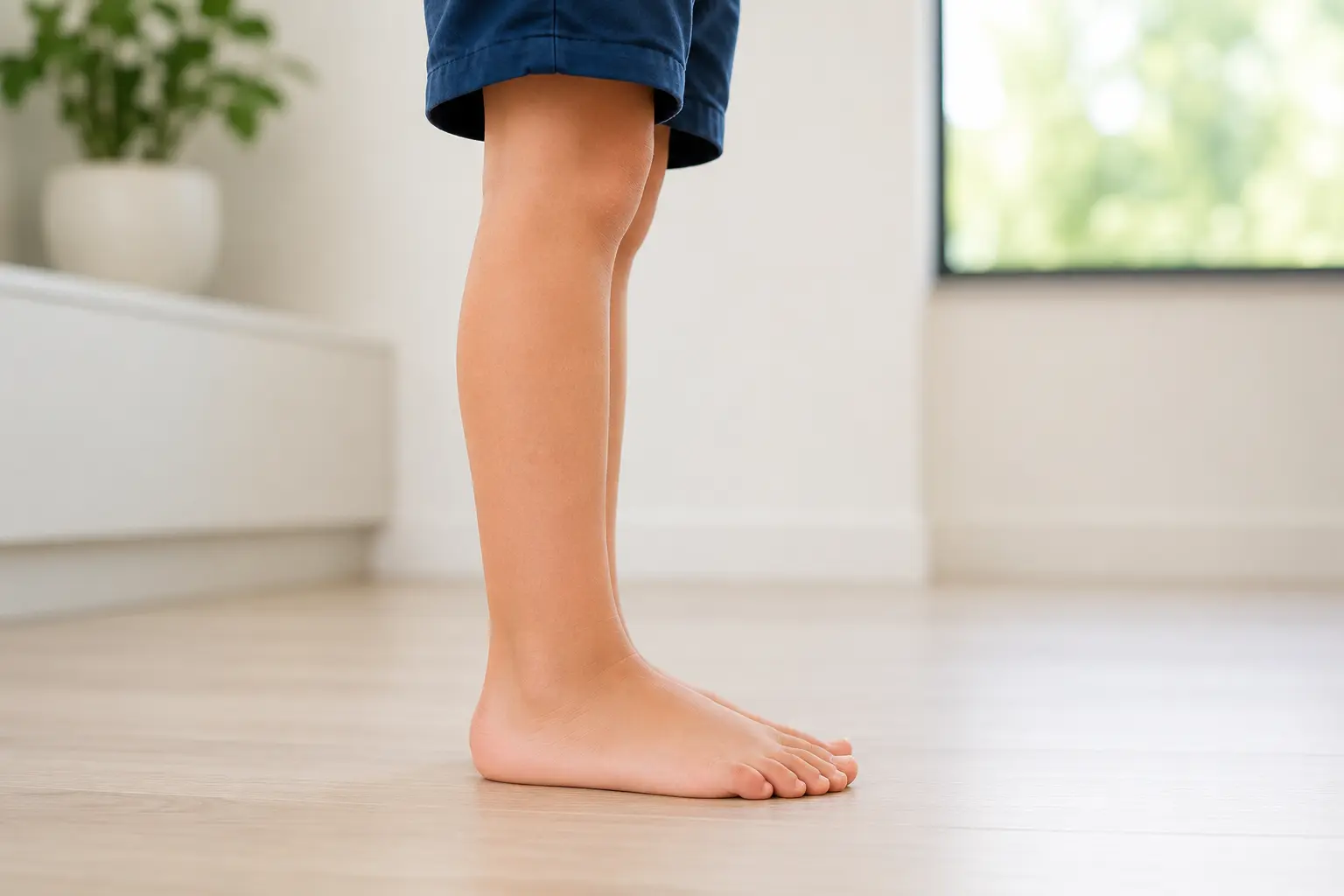
Paediatric Flat Feet
Common during growth and development. We assess whether it is part of normal development or requires monitoring and follow-up.
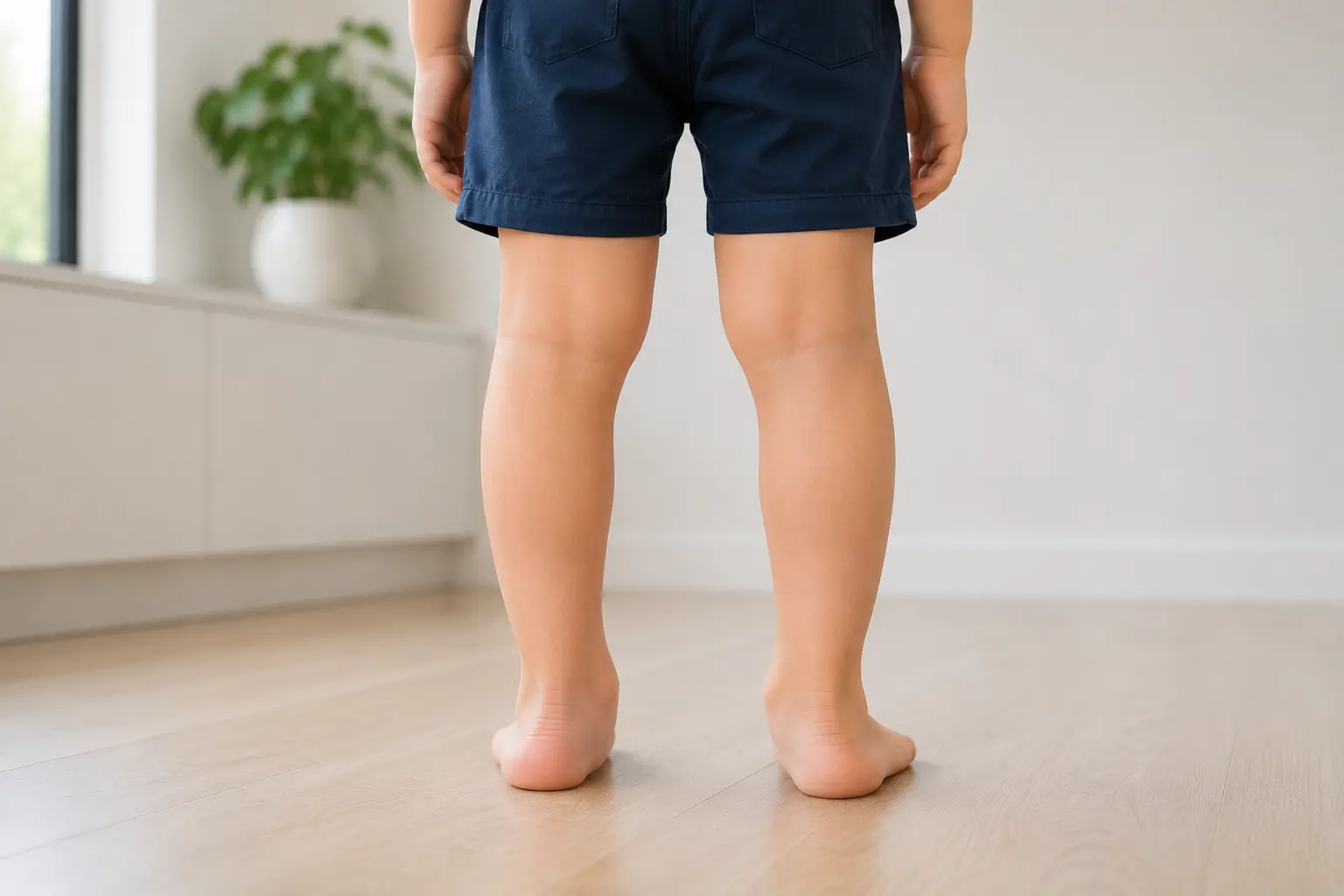
Valgus Feet and Other Alignment Issues
The heels tilt inward. We analyse foot posture, alignment and how it evolves as the child grows.
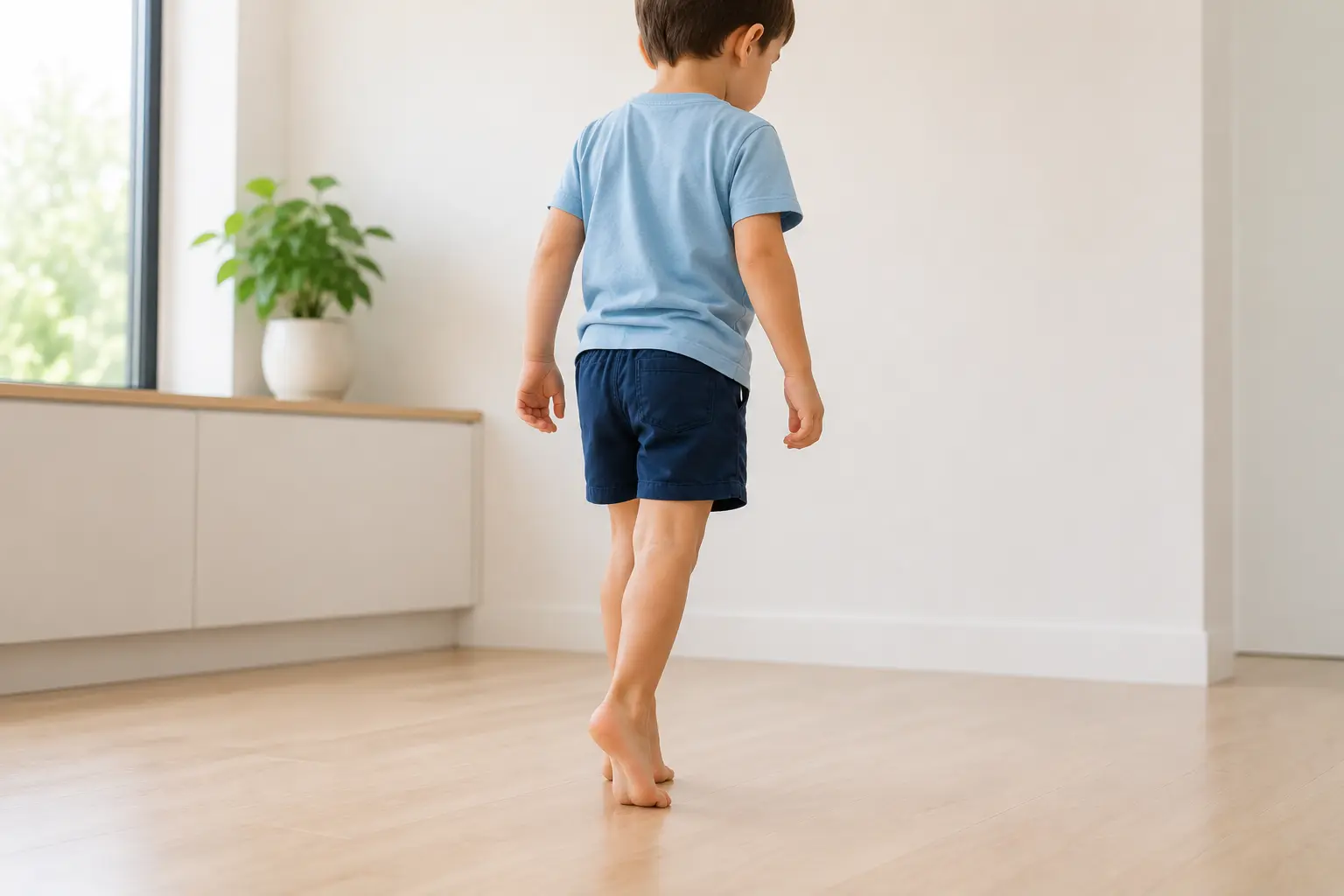
Toe Walking
This can be common at certain stages of development or related to other factors. We assess its cause and progression.
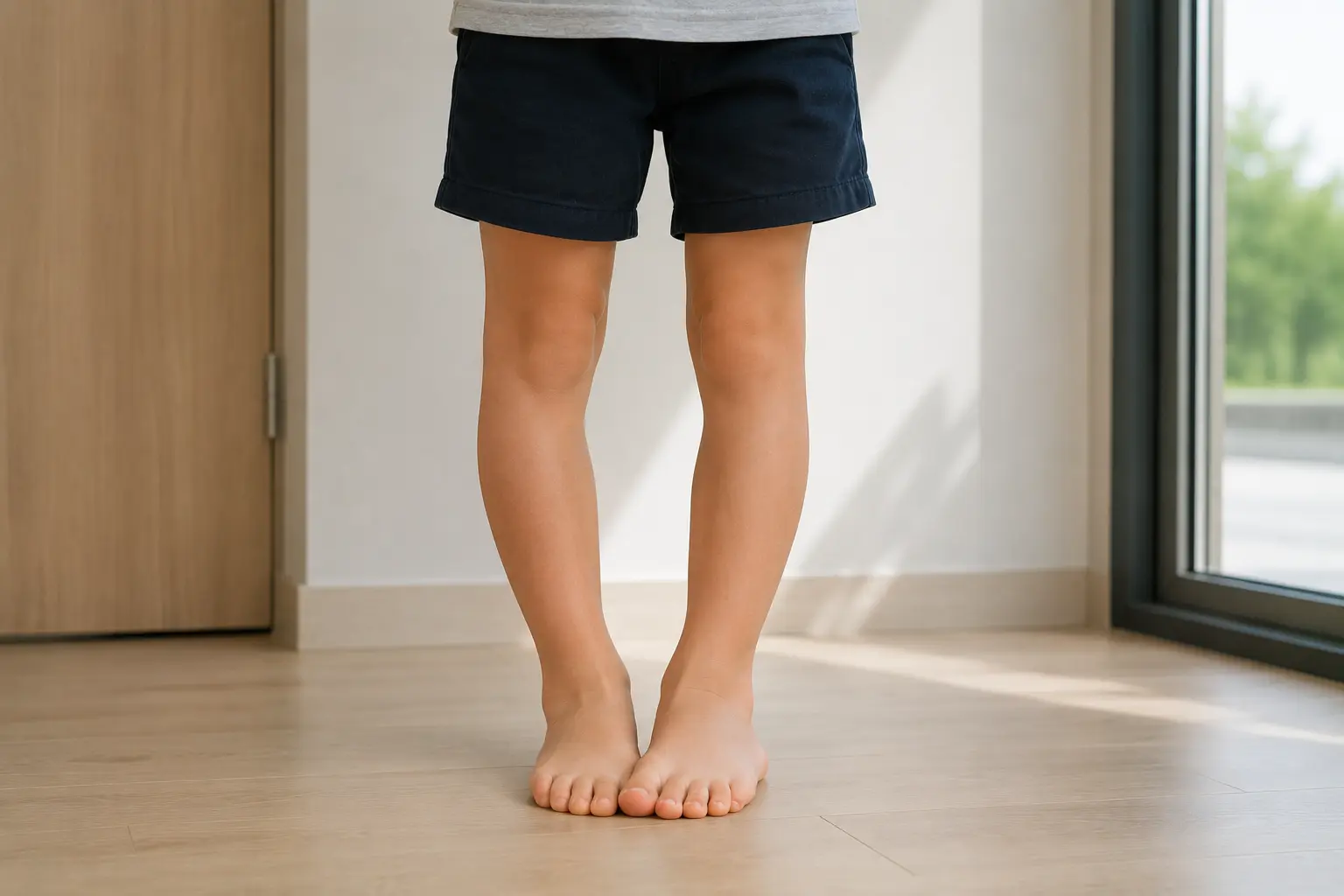
In-Toeing Gait
The feet and legs point inward while walking. We evaluate its impact on gait and balance.
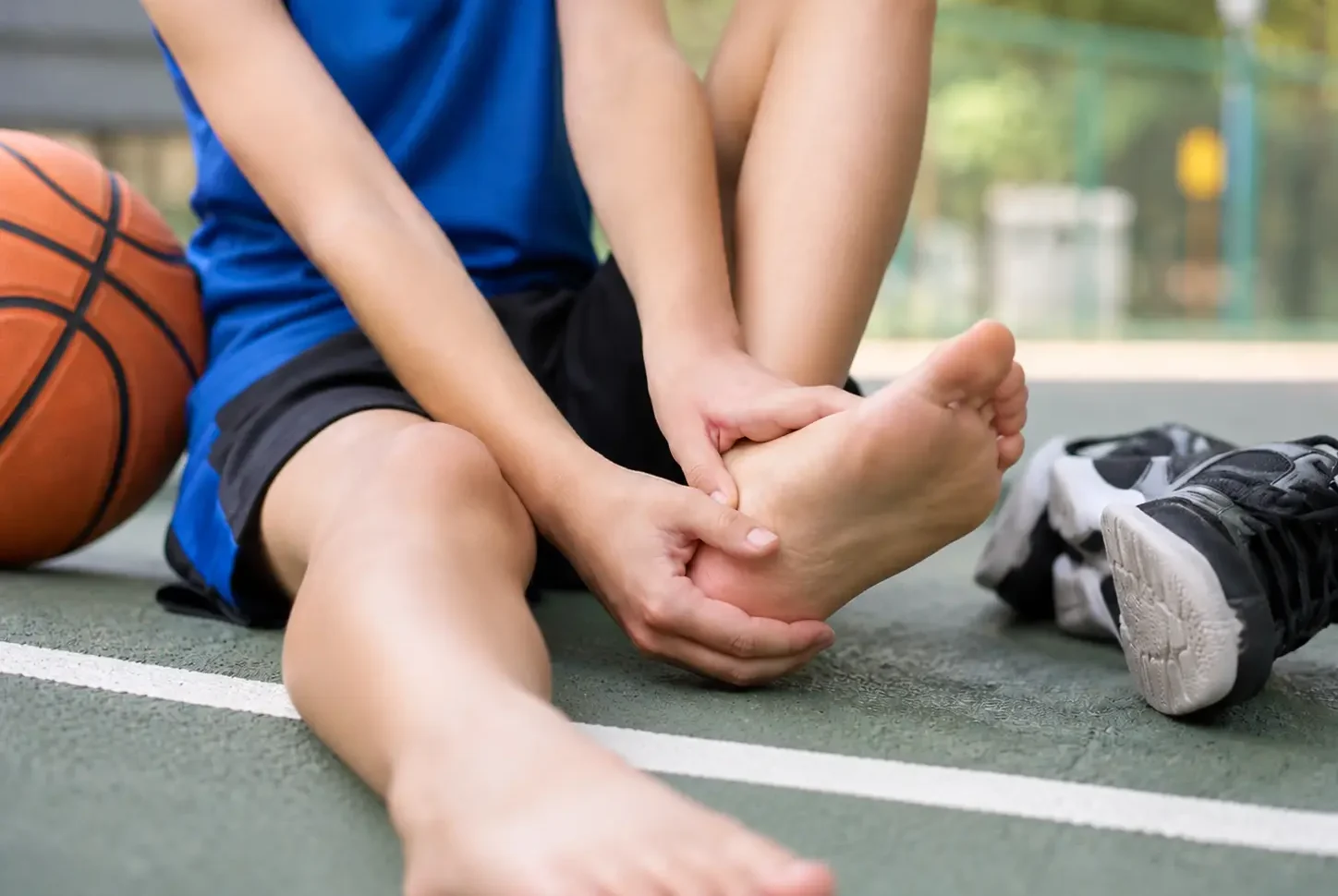
Pain During Physical Activity
Discomfort during sports or play is common. We identify the cause and recommend the most appropriate treatment.
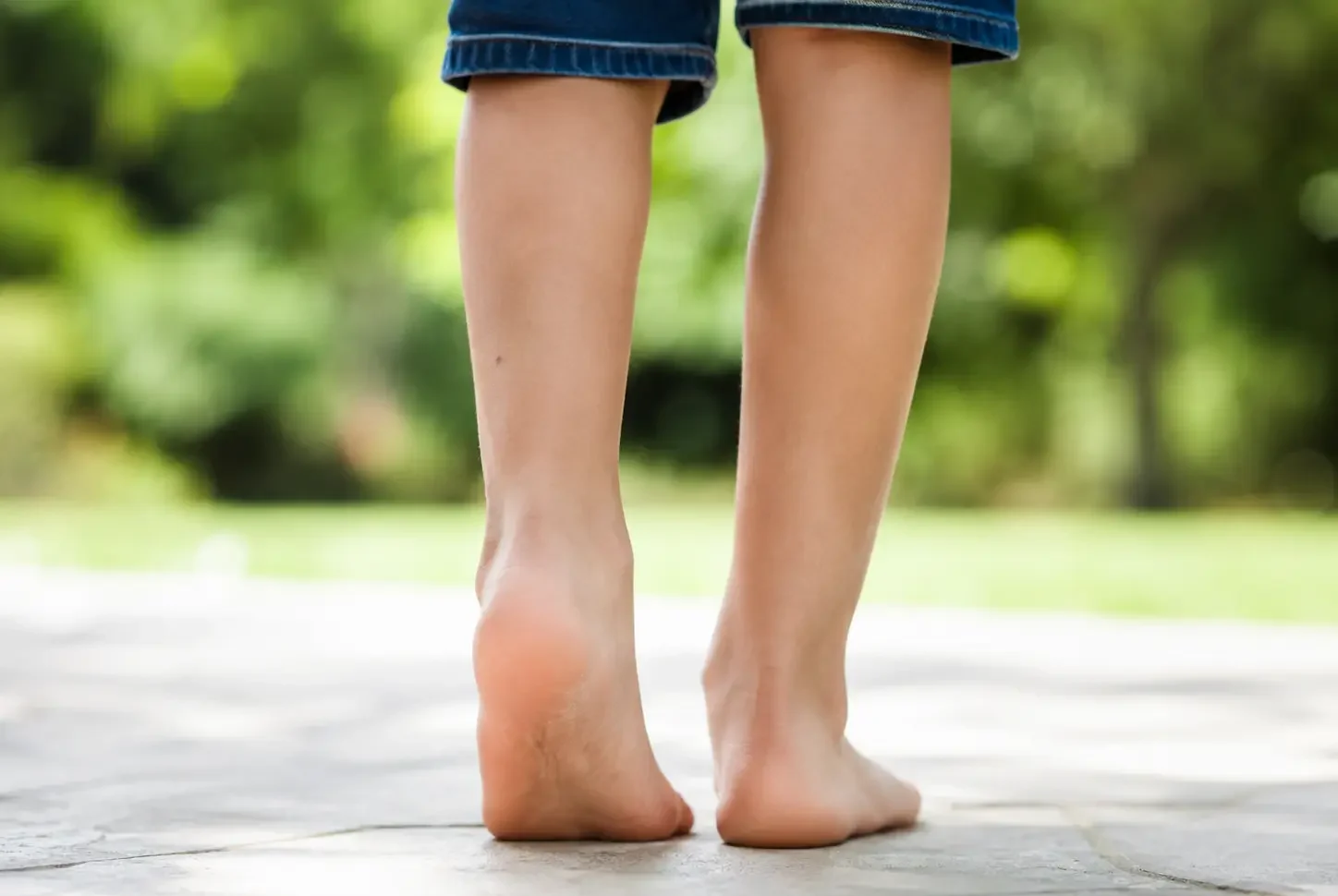
Heel Pain
It may occur during growth or physical activity. We assess its cause and the way the foot functions and bears weight.
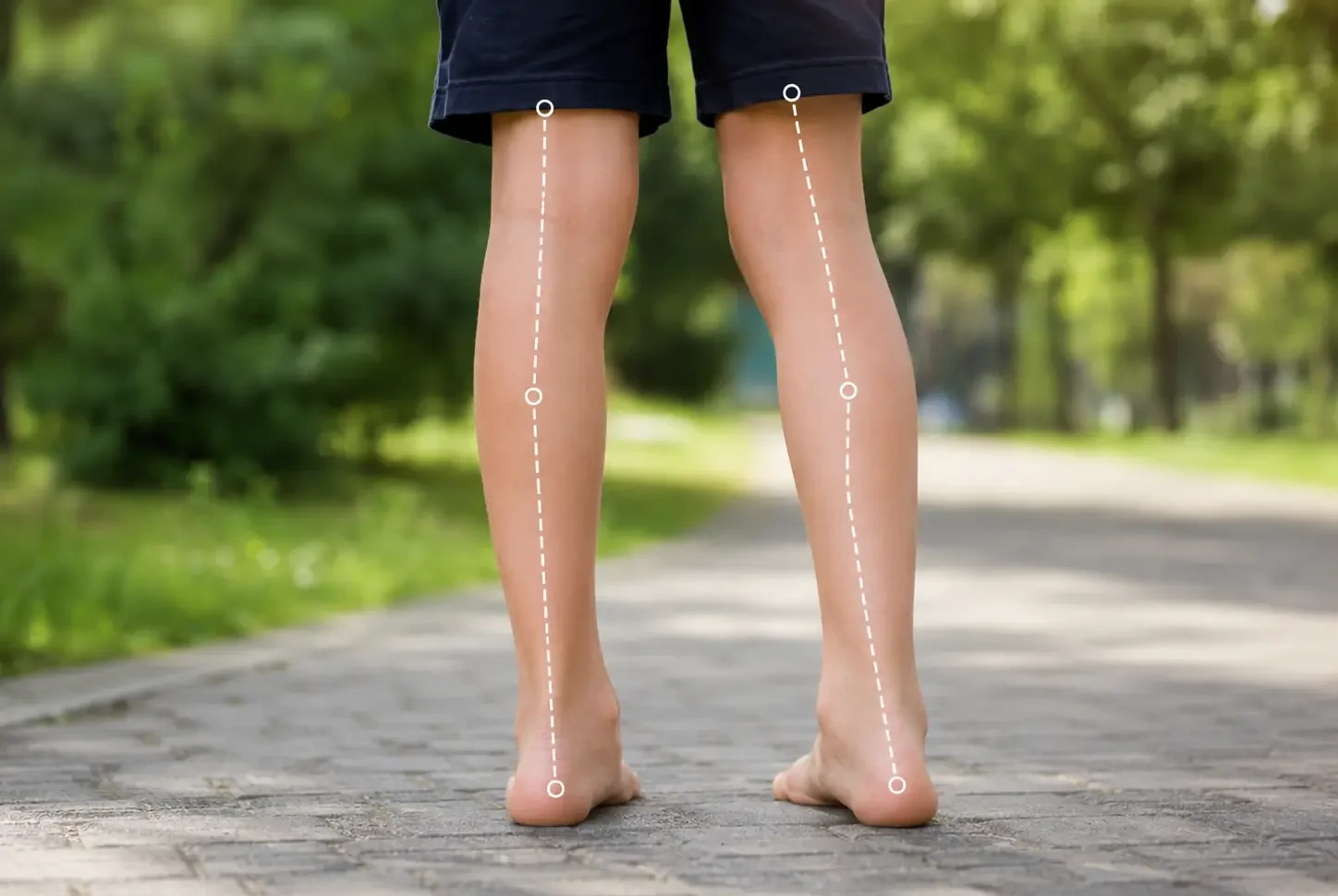
Postural Alterations
Posture and walking patterns are closely related to foot function. We evaluate possible imbalances and compensations.
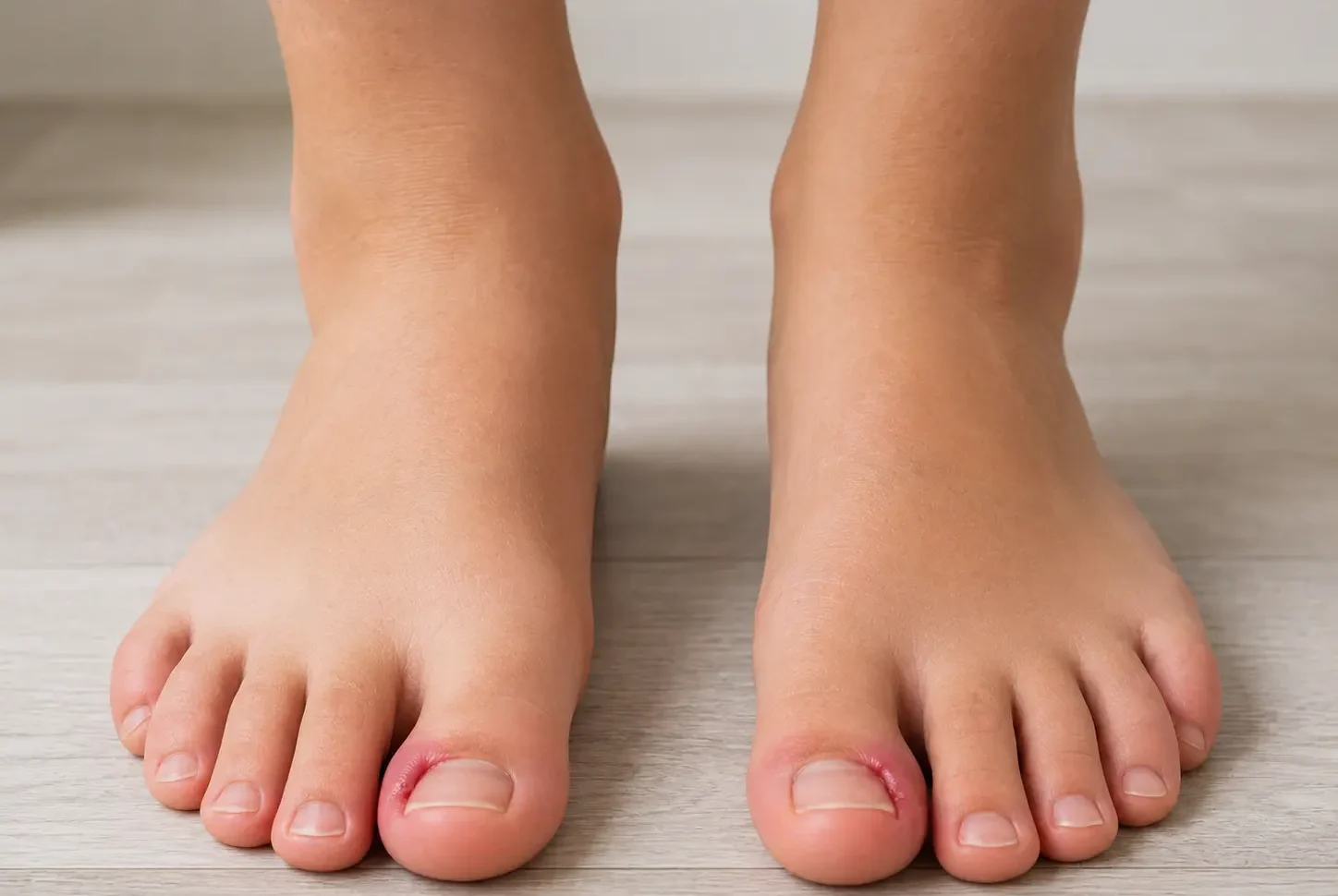
Skin and Nail Conditions
Ingrown toenails, verrucas and other common foot conditions are frequently seen in children. We provide safe and effective treatment.
How Do We Perform the Assessment?
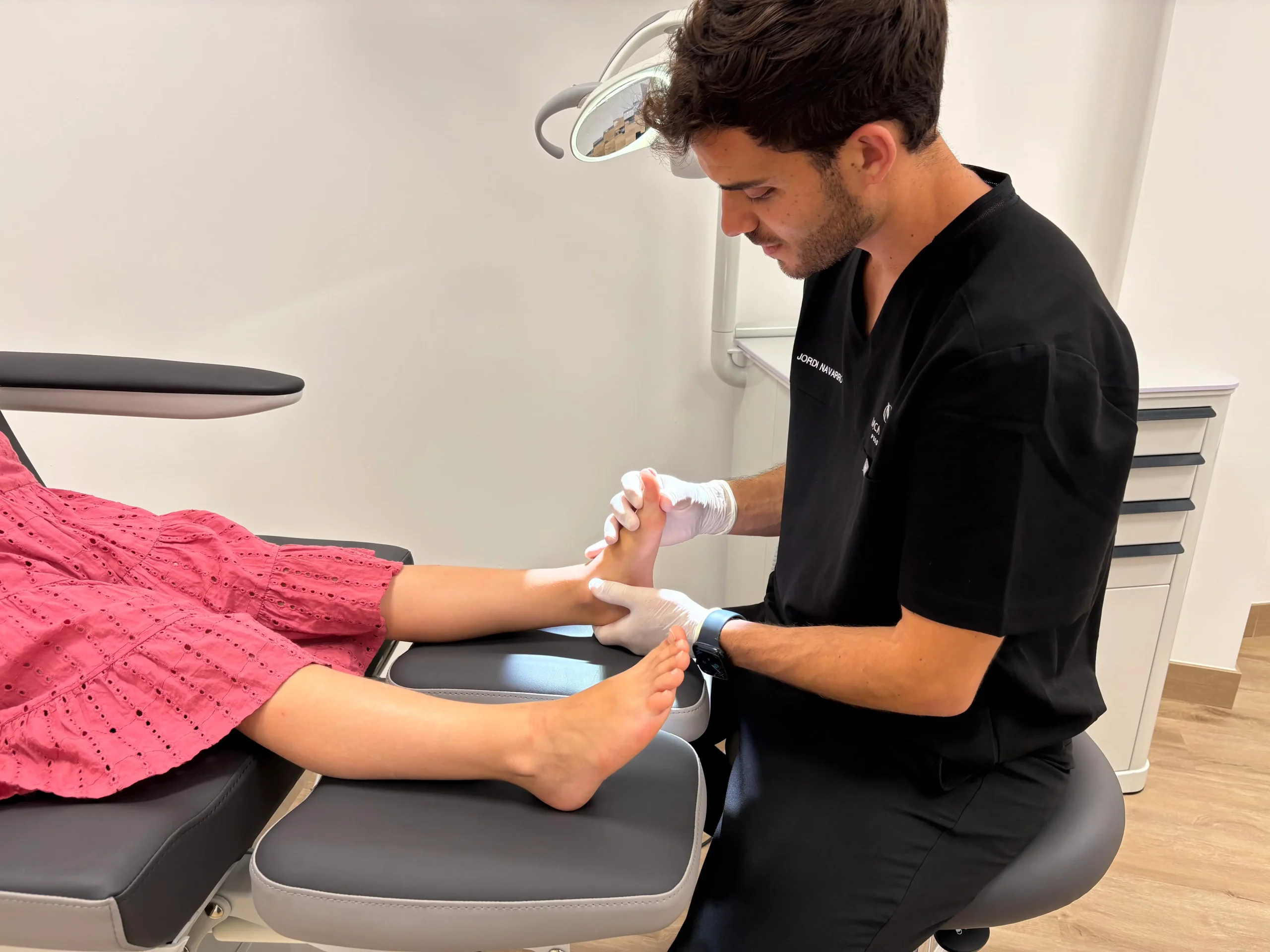
Clinical History
We learn about the child’s or adolescent’s habits, symptoms and daily activities.
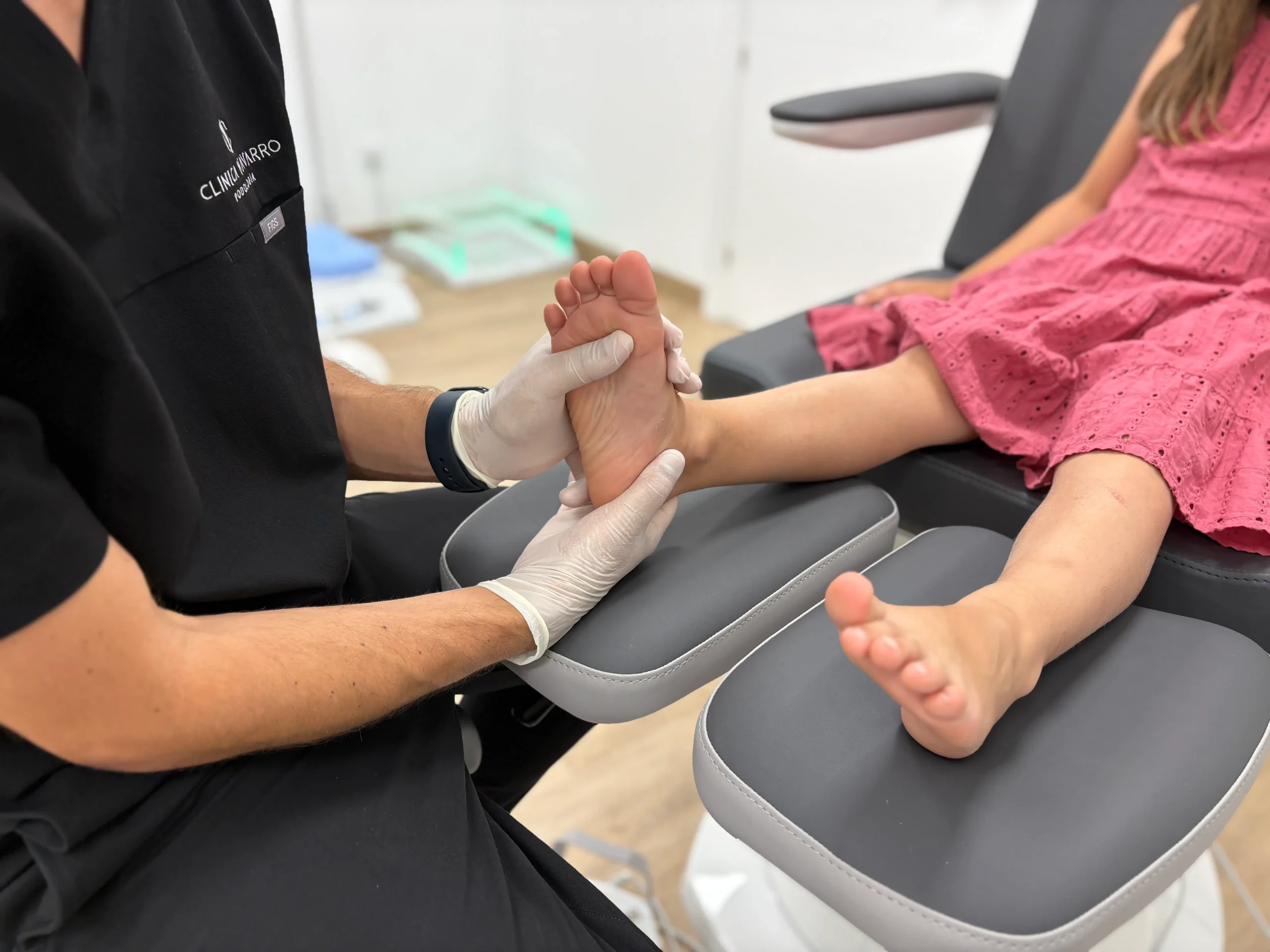
Clinical Examination
We assess the feet, mobility and posture to evaluate their development.
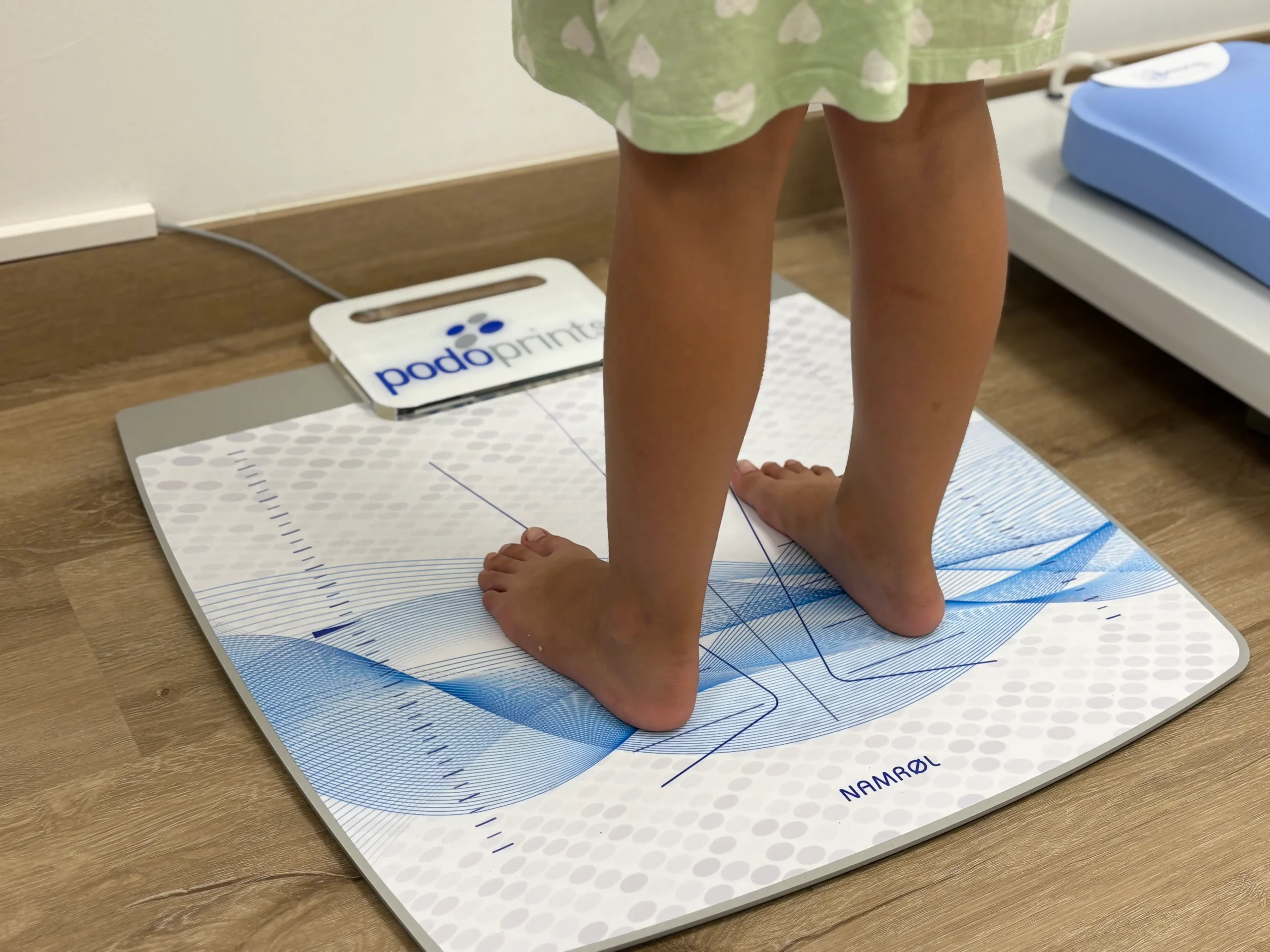
Gait Analysis
We observe how the child walks and moves during daily activities.
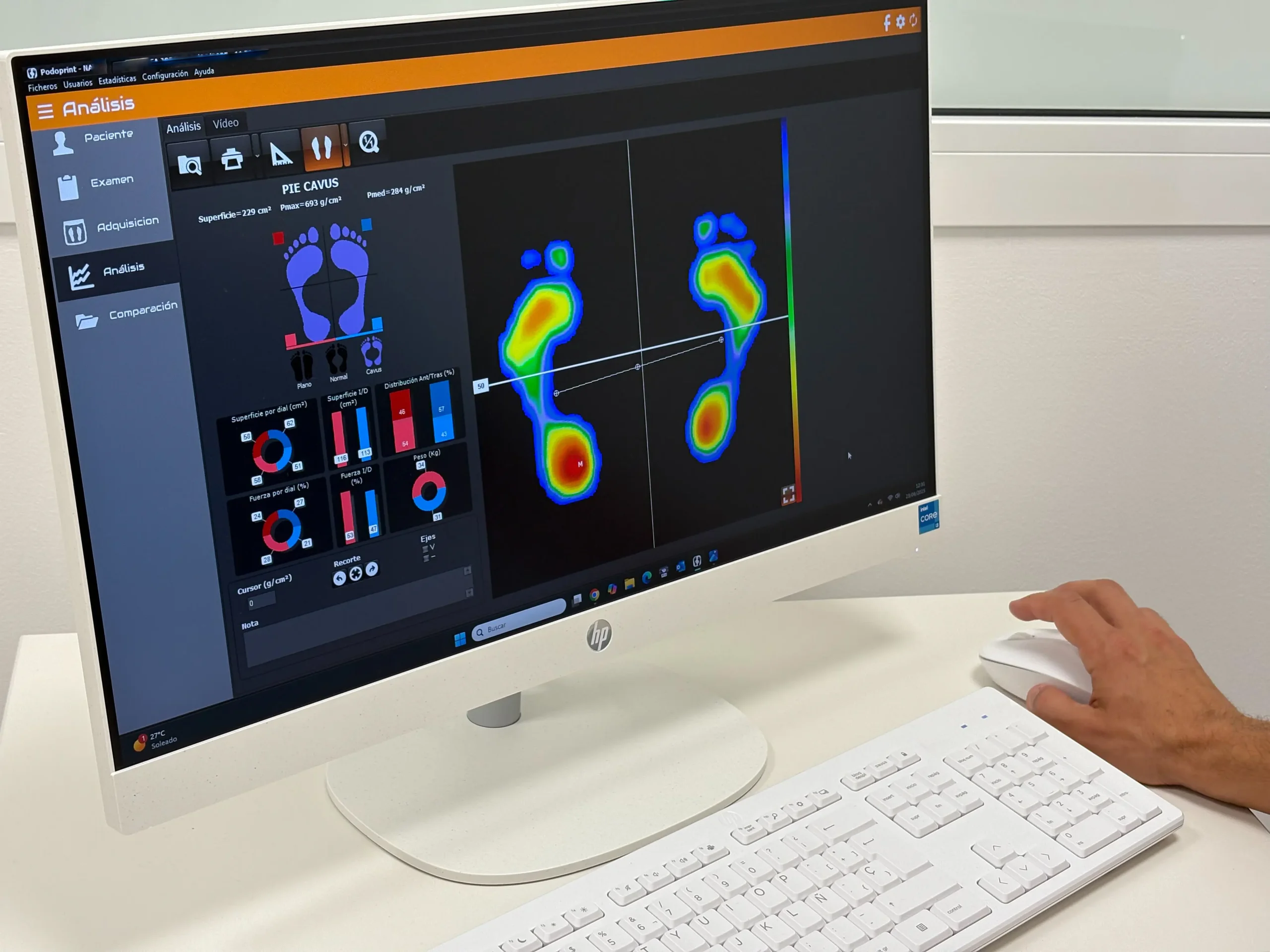
Biomechanical Assessment
We carry out a more detailed analysis of foot function, gait and weight-bearing patterns.
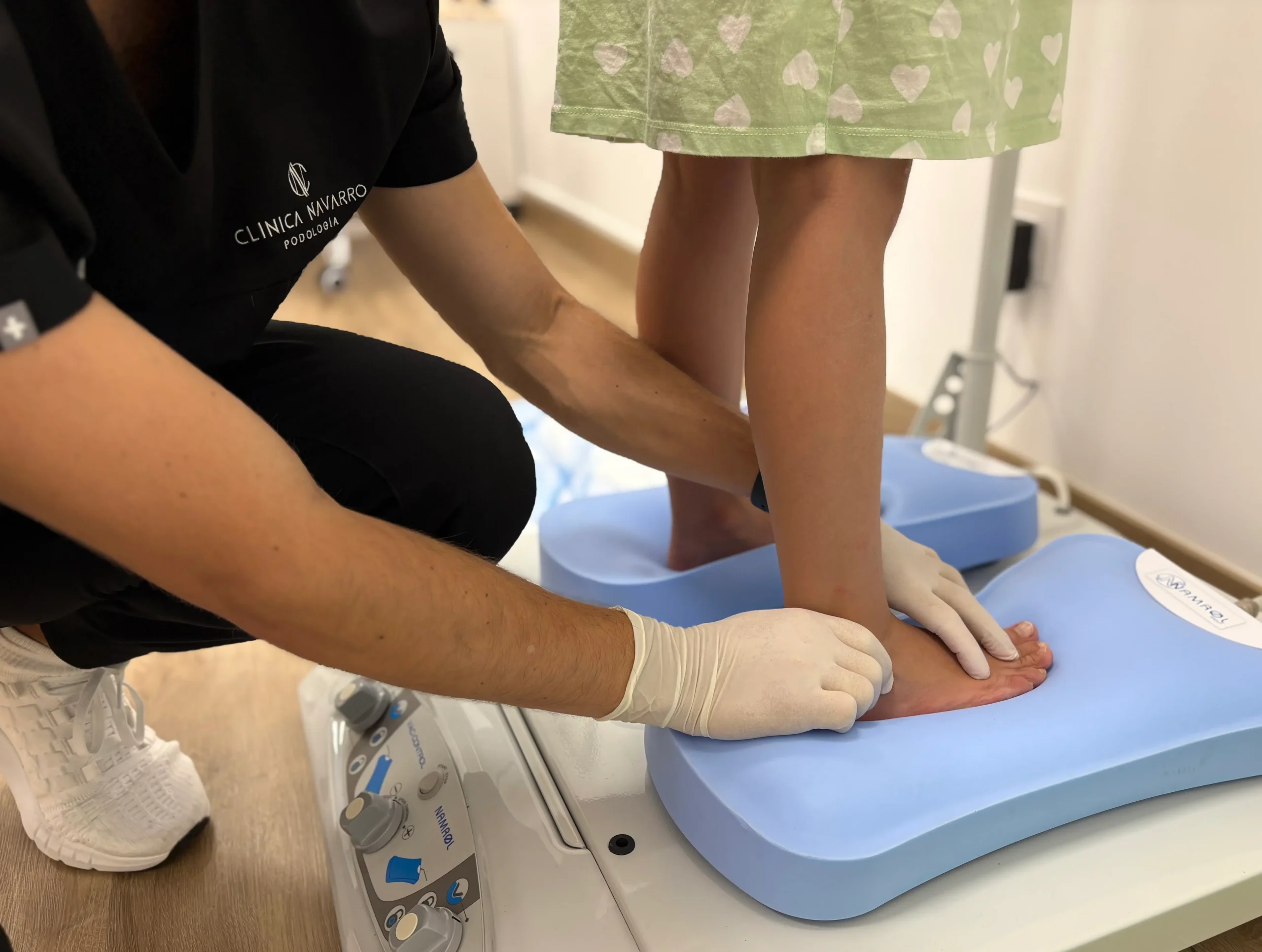
Report and Follow-up
We explain the findings and monitor progress whenever necessary.
Treatment and Follow-up
Every child is unique. We create a personalised treatment plan tailored to their individual needs.
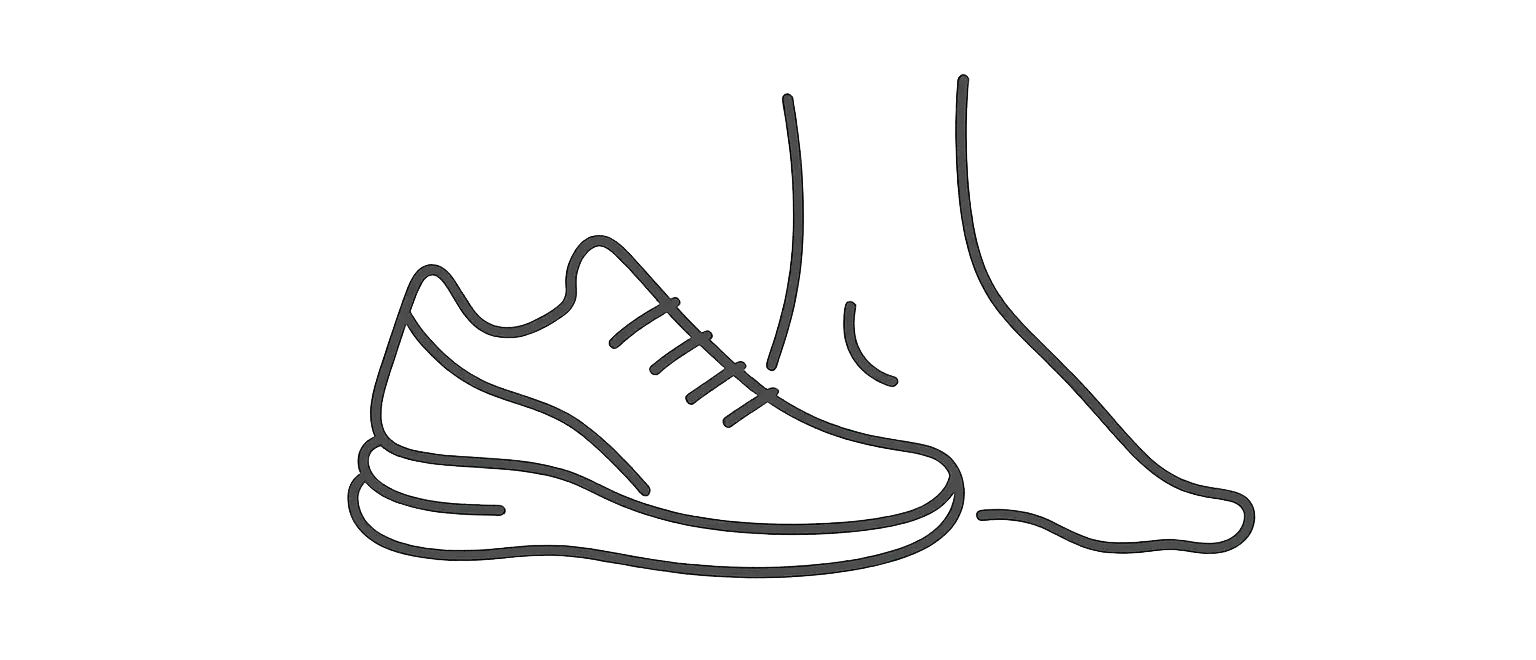
Recommendations
Advice on footwear, physical activity and healthy daily habits.

Exercises
We prescribe specific exercises to improve function and movement.

Progress Monitoring
Regular follow-up appointments to assess development and adjust treatment when needed.
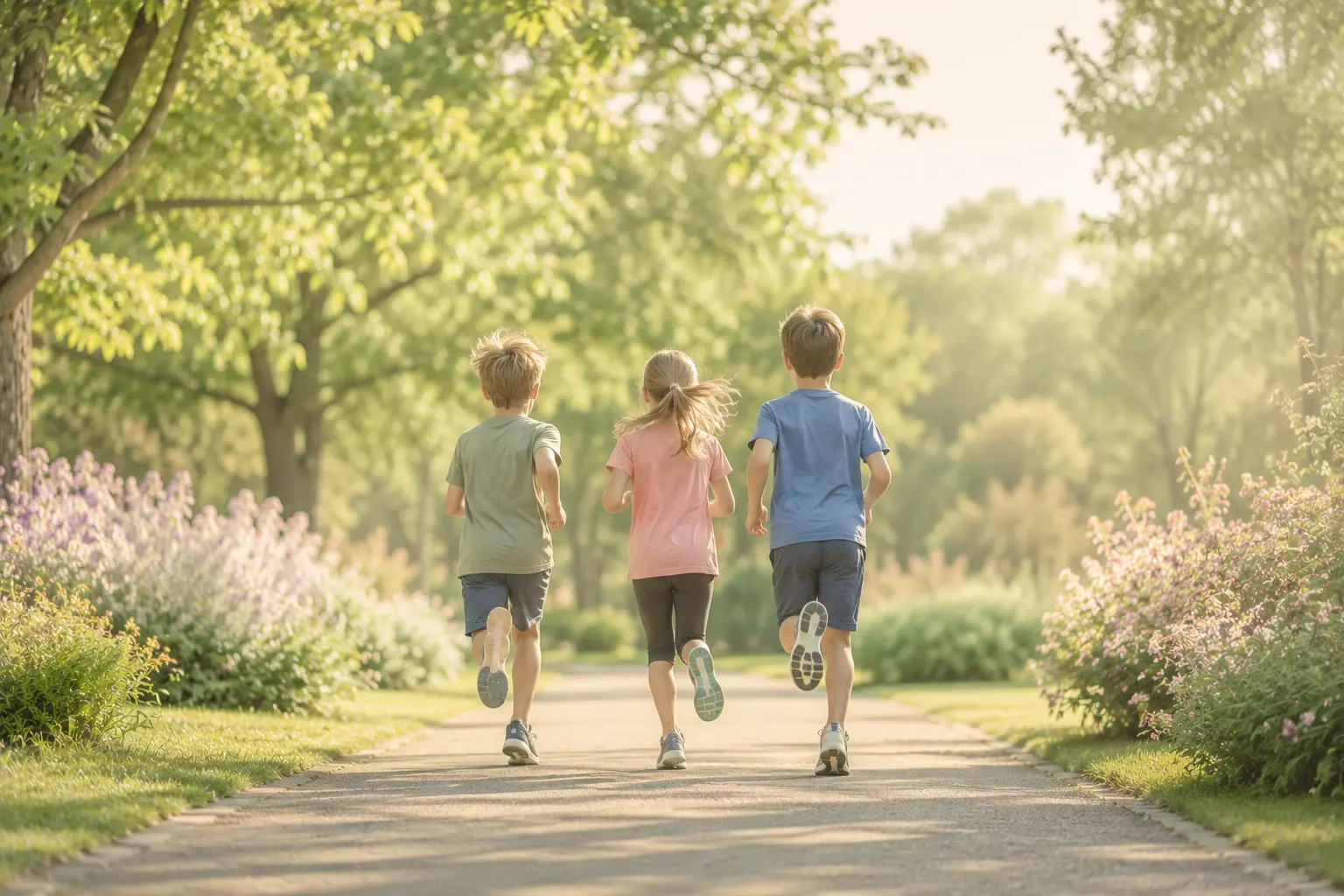
Movement and Sports During Growth
Good foot function and healthy foot development help promote safer, more comfortable and more efficient sports participation.
We assess children and adolescents who take part in all types of sporting activities, adapting our recommendations to the needs of each stage of growth.
FREQUENTLY ASKED QUESTIONS
There is no specific age for a child’s first podiatric assessment. It may be advisable to seek advice if you notice changes in the way your child walks, frequent tripping, pain in the feet or legs, uneven shoe wear, or if you have concerns about foot development. In the absence of discomfort or warning signs, an assessment during childhood can help ensure that development is progressing normally and provide reassurance for families.
It depends on each individual case. If there is a condition that requires monitoring, we will recommend regular follow-up visits based on the child’s development.
This is a very common concern during childhood. We assess whether it is part of normal development or if it may affect gait, posture or balance.
Not always. In some cases, it may be related to walking patterns, foot function or movement mechanics.
No. Every case is different. Treatment depends on age, symptoms, clinical findings and the individual needs of the child.
No. When properly prescribed and indicated, orthotics support healthy development and help improve foot function.
Yes. Certain biomechanical alterations can contribute to discomfort in the feet, ankles, knees or legs during physical activity.
Most children can take part in sports and physical activity without limitations. We assess each case individually and provide personalised recommendations.
Yes. These are common conditions during childhood and adolescence. We offer safe and effective treatments tailored to younger patients.
Taking care of their feet today helps prevent problems tomorrow.
An early assessment helps us understand how a child’s feet are developing, address any concerns that may arise during growth, and can make a meaningful difference to their overall development.