


Diagnosis and Treatment
Ingrown Toenail
An ingrown toenail is one of the most common causes of pain in the toes.
A professional assessment helps identify the underlying cause and determine the most appropriate treatment to relieve discomfort and reduce the risk of recurrence.
What is an ingrown toenail?
An ingrown toenail, also known as onychocryptosis, occurs when one side of the nail grows into or presses against the surrounding skin.
Although it can affect any toe, it is most commonly seen in the big toe.
In the early stages, it usually causes discomfort when walking or wearing closed shoes. If left untreated, it can progress to inflammation, infection, and increasingly severe pain.
It may affect:
It is more common in:
What symptoms does it cause?
Pain
Usually the first symptom. It becomes worse when walking, wearing closed shoes, or applying pressure to the area.
Swelling
The skin around the nail becomes swollen and more sensitive to touch.
Redness
The affected area becomes red due to continuous irritation caused by the nail.
Infection
As the condition progresses, discharge, pus, or bleeding may develop.
Discomfort
In more advanced stages, the pain may make it difficult to walk or wear shoes.
Why does it develop?
In most cases, there is not a single cause but rather a combination of factors that lead the nail to grow into the surrounding skin.
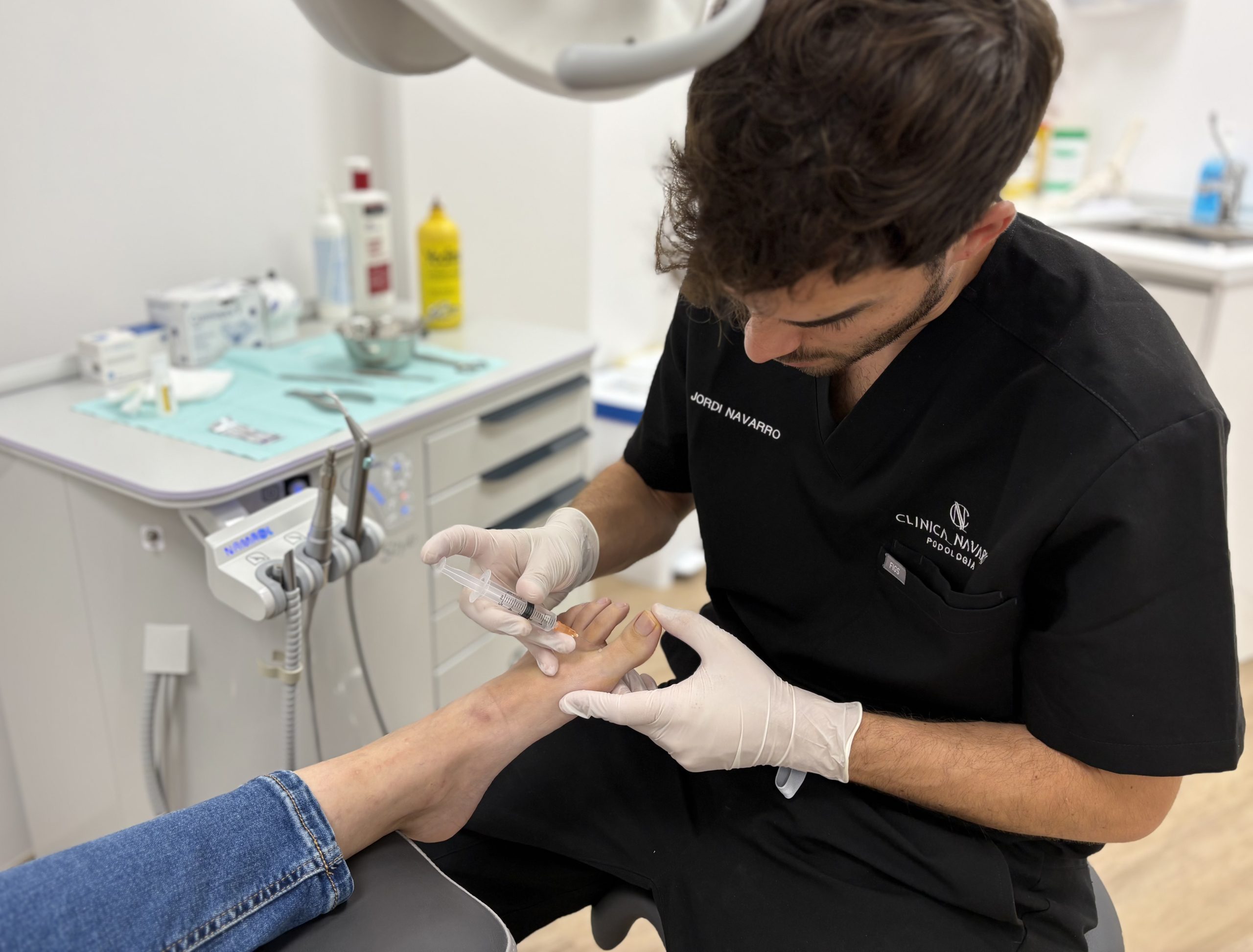
The most common causes include:
How is an ingrown toenail treated?
Treatment depends on the condition of the nail, the degree of inflammation, and whether it is an isolated episode or a recurring problem.
Following the assessment, we recommend the most appropriate treatment to relieve pain, support healing, and reduce the risk of the nail becoming ingrown again.
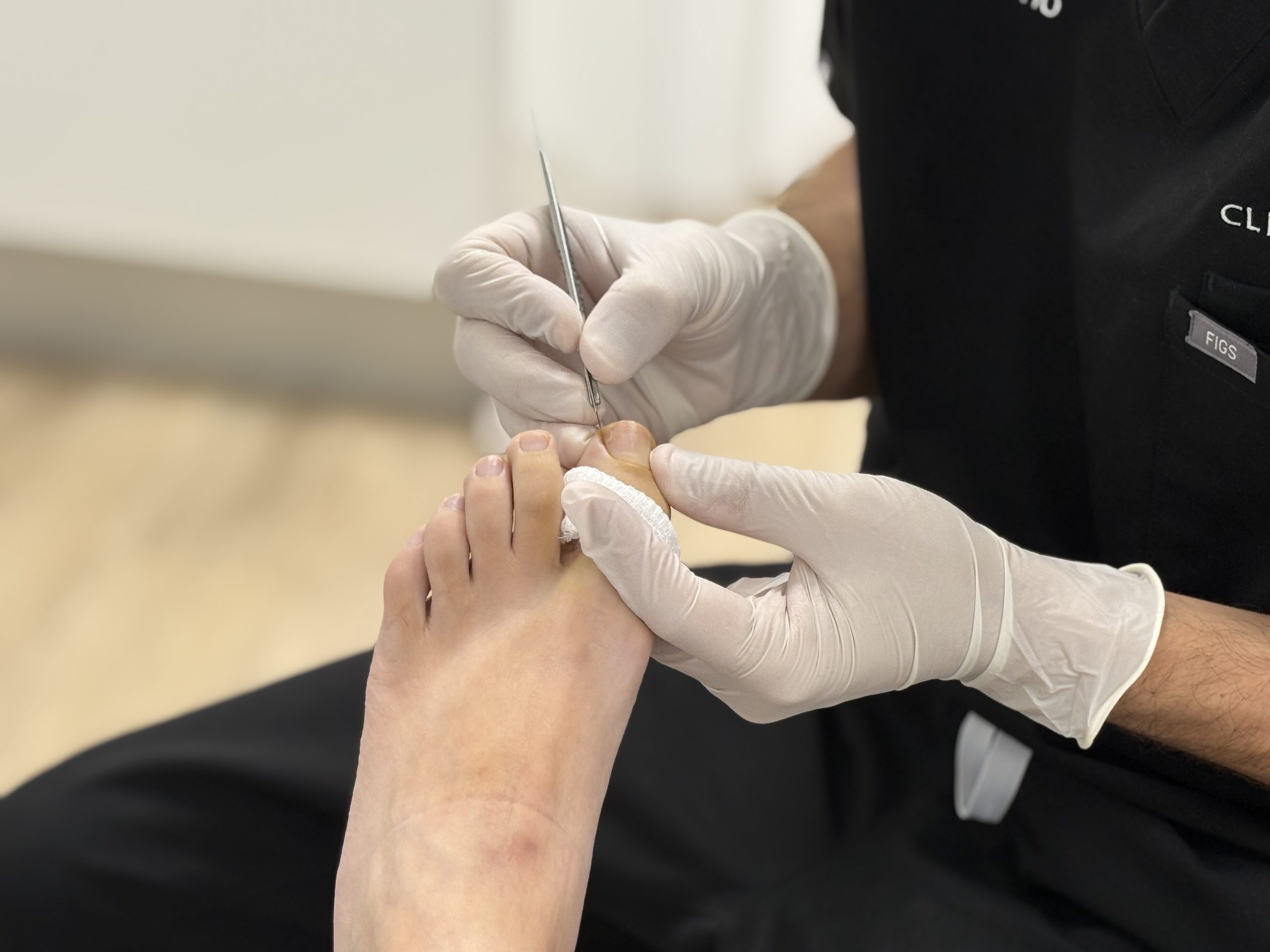
Removal of the ingrown nail edge
We remove the small portion of the nail that is digging into the skin to relieve pain and eliminate the cause of the problem.
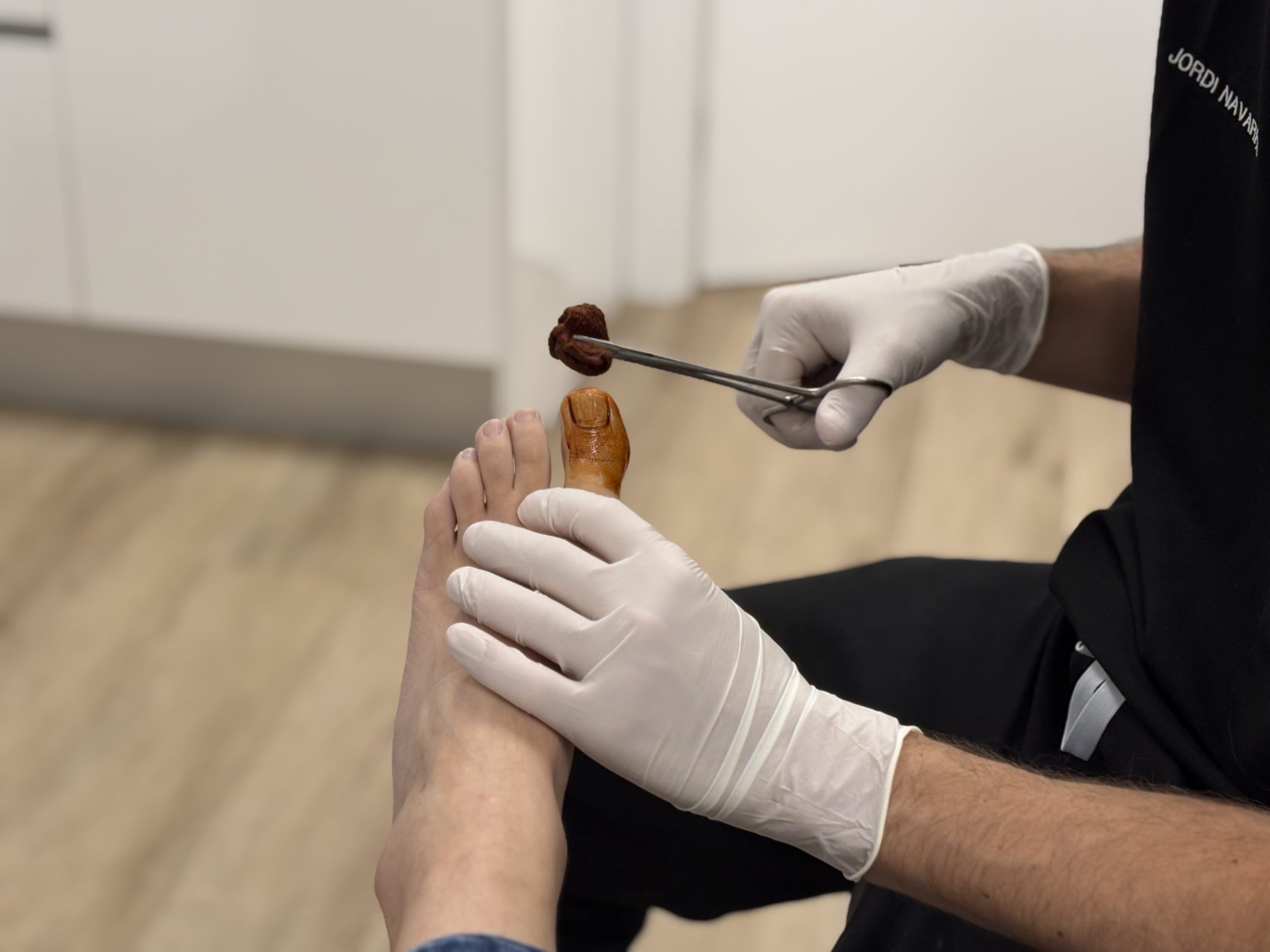
Treatment of inflammation
We clean the affected area and treat any inflammation or infection when present.
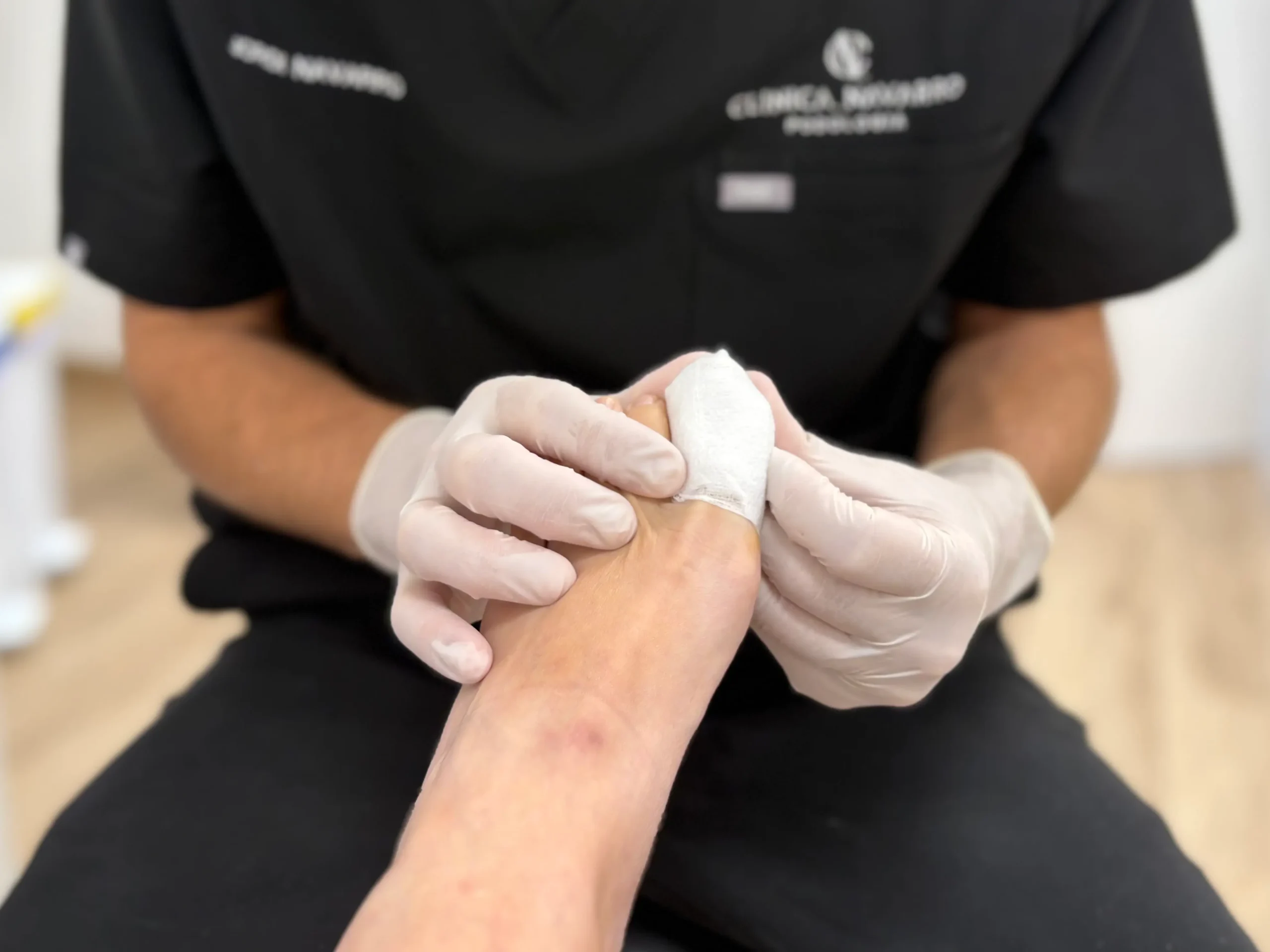
Personalised recommendations
We provide tailored advice on nail care and practical measures to help prevent future episodes.
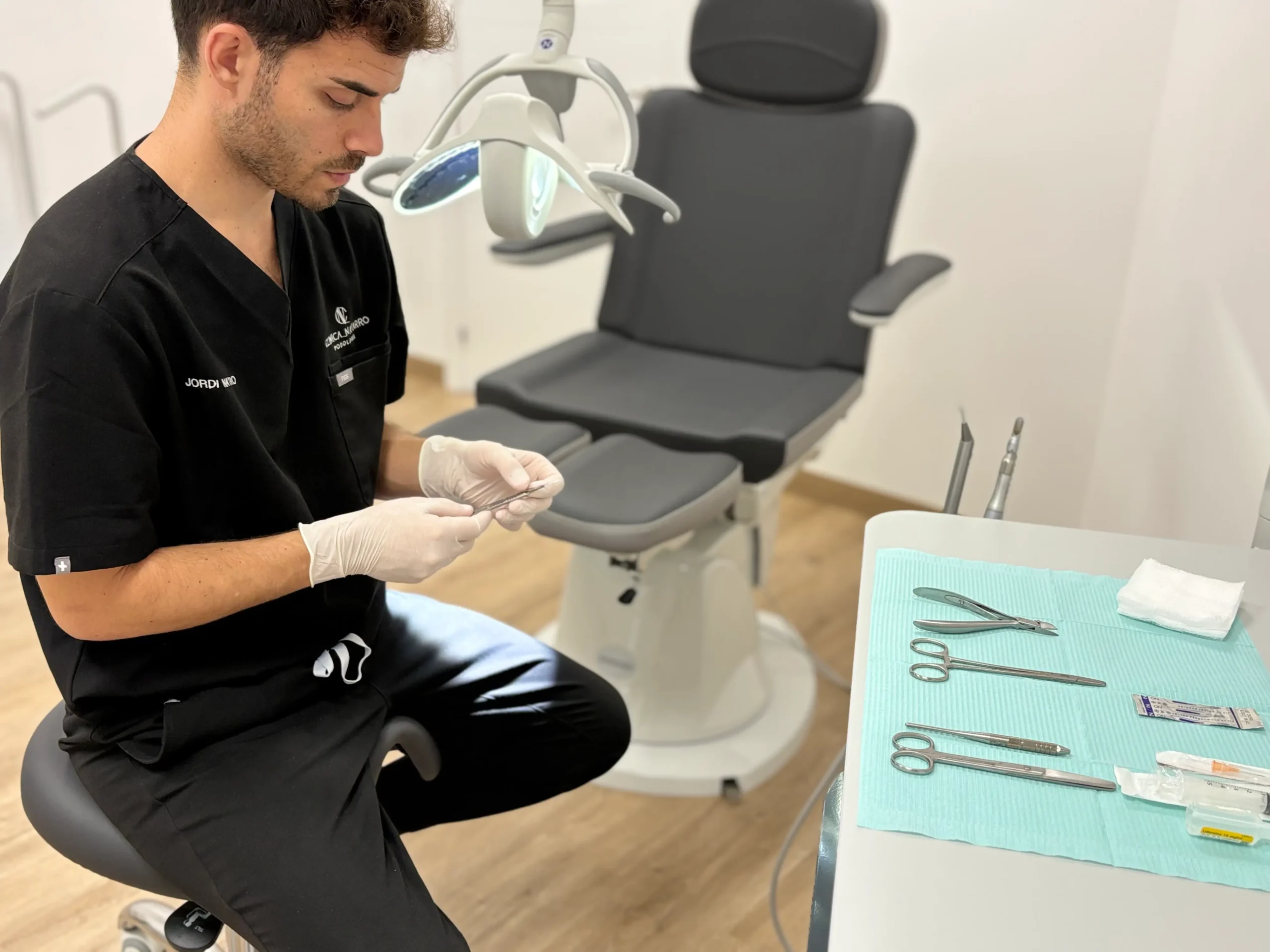
Nail surgery
When the nail becomes ingrown repeatedly, we can perform a procedure to permanently correct the part of the nail responsible for the problem.
What happens if it is left untreated?
An ingrown toenail rarely resolves on its own. Over time, inflammation usually worsens, pain becomes more severe, and the risk of infection increases.
For people with diabetes, poor circulation, or impaired wound healing, it is especially important not to leave the condition untreated without professional assessment.
In general, the earlier an ingrown toenail is treated, the simpler the treatment and the faster the recovery.
FREQUENTLY ASKED QUESTIONS
Yes. Most ingrown toenails can be treated without surgery. Surgical treatment is usually recommended only when the problem keeps recurring or when there is a significant abnormality in the way the nail grows.
No. In most cases, only the small portion of the nail causing the problem is removed. Only in very specific situations is it necessary to treat a larger part of the nail.
Usually not. When a procedure is required, local anaesthesia is used to ensure the treatment is as comfortable as possible.
Yes. In most cases, you can walk immediately after your appointment by following the care instructions provided to support a good recovery.
Yes, especially if the underlying cause remains. When ingrown toenails occur repeatedly, there are treatments that can significantly reduce the risk of recurrence.
No. In its early stages, it usually causes only pain and inflammation. However, if left untreated, it may eventually become infected.
You should see a podiatrist as soon as possible to assess the infection and treat its cause. Trying to cut the nail yourself or manipulating the area often makes the problem worse.
It is not recommended. Removing part of the nail without the proper technique may cause it to dig further into the skin or increase the risk of infection.
It depends on the severity of the condition and the treatment performed. In most cases, the pain improves very quickly once the offending nail fragment has been removed.
It depends on the treatment performed and the degree of inflammation. In many cases, sports can be resumed within a few days by following your podiatrist’s recommendations.
Cutting your nails straight across, wearing footwear with enough room for your toes, and seeing a podiatrist as soon as symptoms appear can help reduce the risk of recurrence.
You should seek professional assessment if you notice pain around the nail, swelling, redness, signs of infection, or if the nail becomes ingrown repeatedly. Treating the problem early usually makes recovery easier and helps prevent complications.
Is an ingrown toenail causing pain when you walk or is the area swollen?
An early assessment helps relieve pain, treat the underlying cause and prevent the nail from becoming ingrown again.